
Drug classification is the process of grouping medications based on their chemical structure, mechanism of action, therapeutic use, or pharmacological effects.
Categories of Drug Classification
There are several categories of drug classification, including:
- Chemical Classification : Based on the chemical structure of the medication.
- Therapeutic Classification : Based on the therapeutic use of the medication.
- Pharmacological Classification : Based on the pharmacological effects of the medication.
- Mechanism of Action Classification : Based on the mechanism of action of the medication.
Major Drug Categories
Some of the major drug categories include:
- Analgesics : Pain relievers, such as acetaminophen and ibuprofen.
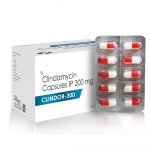
- Antibiotics : Medications that kill or inhibit the growth of microorganisms, such as penicillin and ciprofloxacin.
- Antihistamines : Medications that counteract the effects of histamine, such as diphenhydramine and loratadine.
- Anti-inflammatory Agents : Medications that reduce inflammation, such as corticosteroids and nonsteroidal anti-inflammatory drugs (NSAIDs).
- Cardiovascular Agents : Medications that affect the heart and blood vessels, such as beta blockers and statins.
- Central Nervous System Agents : Medications that affect the brain and nervous system, such as sedatives and antidepressants.
- Dermatological Agents : Medications that treat skin conditions, such as acne and psoriasis.
- Gastrointestinal Agents : Medications that treat digestive system disorders, such as antacids and laxatives.
- Hormones : Medications that regulate hormone levels, such as insulin and thyroid hormone.
- Immunosuppressants : Medications that suppress the immune system, such as cyclosporine and tacrolimus.
Importance of Drug Classification
Drug classification is important because it:
- Helps healthcare professionals : To quickly identify the therapeutic use and potential side effects of a medication.
- Facilitates research : By allowing researchers to identify and study medications with similar mechanisms of action or therapeutic uses.
- Enhances patient safety : By providing a standardized system for identifying and categorizing medications, which can help reduce medication errors.