
Drug Class: Selective immunosuppressants
Active Ingredient: Belimumab
Generic Name: Belimumab
Brand Name: Benlysta®
Company: GlaxoSmithKline (GSK)
Dosage Form:
Solution for injection; lyophilized powder for solution for infusion
Drug Form: Injection
Injection Route: IV
Tablet Description: Chemical description: Belimumab is a fully human IgG1λ monoclonal antibody with an approximate molecular formula C₆₃₅₂H₉₈₁₆N₁₆₈₄O₂₀₁₆S₄₄. Pharmacological description: Belimumab binds to soluble B-lymphocyte stimulator (BLyS), inhibiting its interaction with B-cell receptors, thereby reducing B-cell survival and autoantibody production in patients with systemic lupus erythematosus and lupus nephritis.
What is Benlysta?
Benlysta is used to treat active systemic lupus erythematosus (SLE) or lupus nephritis (LN) in people 5 years and older, who weigh at least 15 kg (33 lb), and are receiving standard therapy. Benlysta is a monoclonal antibody given by injection every 2 to 4 weeks. Clinical trials show that when Benlysta is combined with other lupus medicines, it reduces disease activity more effectively than other medicines alone.
- Benlysta is not recommended for severe active central nervous system lupus because it has not been studied in this population.
Benlysta (belimumab) first gained FDA approval on March 9, 2011, and was the first lupus treatment specifically designed to target the underlying autoimmune process that causes lupus.
How Does Benlysta Work? Mechanism of Action
Benlysta is a BLyS-specific inhibitor that works by blocking the BLyS protein that keeps harmful B-cells alive and active. This reduces B-cell survival and decreases autoantibody production, reducing the overactive immune response behind lupus flares and symptoms such as fatigue and joint pain.
Unlike broad immunosuppressants that affect your entire immune system, Benlysta specifically targets the cells and proteins involved in lupus.
Benlysta (belimumab) belongs to the drug class called B-lymphocyte stimulator (BLyS)-specific inhibitors.
What is the cost of Benlysta?
The list price for Benlysta injection is just over $1,200 per single dose (sold in a 4-pack for just over $4,800), while Benlysta infusion pricing varies based on patient weight.
Most insurance plans cover Benlysta, with over 95% of lupus patients nationwide having coverage.
Eligible commercially insured patients may qualify for the Benlysta Copay program, which can reduce out-of-pocket costs to as little as $0, with up to $9,450 in annual assistance.
Benlysta Side Effects
Common Side Effects
The most common side effects of Benlysta are:
- Nausea
- Diarrhea
- Fever
- Stuffy or runny nose and sore throat (nasopharyngitis)
- Persistent cough (bronchitis)
- Trouble sleeping (insomnia)
- Leg or arm pain
- Depression
- Headache (migraine)
- Pain, redness, itching, or swelling at the site of the injection (when given subcutaneously).
Serious Side Effects
Benlysta can cause serious side effects, including:
- Progressive multifocal leukoencephalopathy (PML). This is a serious and life-threatening brain infection. Your chance of getting PML may be higher if you are treated with medicines that weaken your immune system, including Benlysta. PML can result in death or severe disability. If you notice any new or worsening medical problems such as those below, tell your healthcare provider right away:
- memory loss
- trouble thinking
- dizziness or loss of balance
- difficulty talking or walking
- loss of vision.
- Cancer. Benlysta may reduce the activity of your immune system. Medicines that affect the immune system may increase your risk of certain cancers.
See also Warnings below.
These are not all the possible side effects of Benlysta. Call your doctor for medical advice about side effects.
Warnings
Immunosuppressive agents, including Benlysta, can cause serious side effects. Some of these side effects may cause death.
Benlysta may increase the risk of infection, some of which may be serious, leading to hospitalization or death. Benlysta should be used with caution in patients with severe or chronic infections. Your healthcare provider may withhold your treatment with Benlysta if you develop a new infection during treatment. Tell your healthcare provider right away if you have any of the following symptoms of an infection:
- Fever
- Urinating often
- Chills
- Coughing up mucus
- Pain or burning with urination
- Warm, red, or painful skin or sores on your body.
Should not be given to people with a history of serious hypersensitivity reactions to Benlysta, belimumab, or any of the ingredients in the formulation. Serious hypersensitivity reactions, including anaphylaxis and infusion-related reactions, can happen on the day of, or in the days after, receiving Benlysta and may cause death. Your healthcare provider will watch you closely while you are receiving Benlysta intravenously and after your infusion for signs of a reaction. Allergic reactions can sometimes be delayed. Tell your healthcare provider right away if you have any of the following symptoms of an allergic reaction following a benlysta infusion:
- Itching
- Low blood pressure
- Swelling of the face, lips, mouth, tongue, or throat
- Dizziness or fainting
- Headache
- Trouble breathing
- Nausea
- Anxiousness
- Skin rash.
Symptoms of mental health problems, including suicidal thoughts and actions, can occur with Benlysta. Tell your healthcare provider right away if you have any of the following symptoms:
- Thoughts of suicide or dying
- New or worse depression
- Attempt to commit suicide
- Acting on dangerous impulses
- Trouble sleeping (insomnia)
- Other unusual changes in your behavior or mood
- New or worse anxiety
- Thoughts of hurting yourself or others.
Before Receiving Benlysta
Absolute Contraindications
Do not receive Benlysta if you have previously had an anaphylactic reaction to Benlysta.
Caution Needed
Before you receive Benlysta, tell your healthcare provider about all of your medical conditions, including if you:
- Think you have an infection or have infections that keep coming back. You should not receive Benlysta if you have an infection unless your healthcare provider tells you to.
- Have or have had mental health problems such as depression or thoughts of suicide
- Have recently received a vaccination, or if you think you may need a vaccination. If you are receiving Benlysta, you should not receive live vaccines
- Are allergic to other medicines
- Are receiving other biologic medicines or monoclonal antibodies
- Have or have had any type of cancer
- Are pregnant or plan to become pregnant
- Are breastfeeding or plan to breastfeed.
Pregnancy
It is not known if Benlysta will harm an unborn baby. You should talk to your healthcare provider about whether to prevent pregnancy while on Benlysta.
If you choose to prevent pregnancy, you should use an effective method of birth control while receiving Benlysta and for at least 4 months after the final dose of Benlysta.
- Tell your healthcare provider right away if you become pregnant during your treatment with Benlysta or if you think you may be pregnant.
- If you become pregnant while receiving Benlysta, talk to your healthcare provider about enrolling in the Benlysta Pregnancy Registry.
- The purpose of this registry is to collect information about the health of you and your baby.
Breastfeeding
It is not known if Benlysta passes into your breast milk. You and your healthcare provider should talk about whether or not you should receive Benlysta and breastfeed.
How will I receive Benlysta?
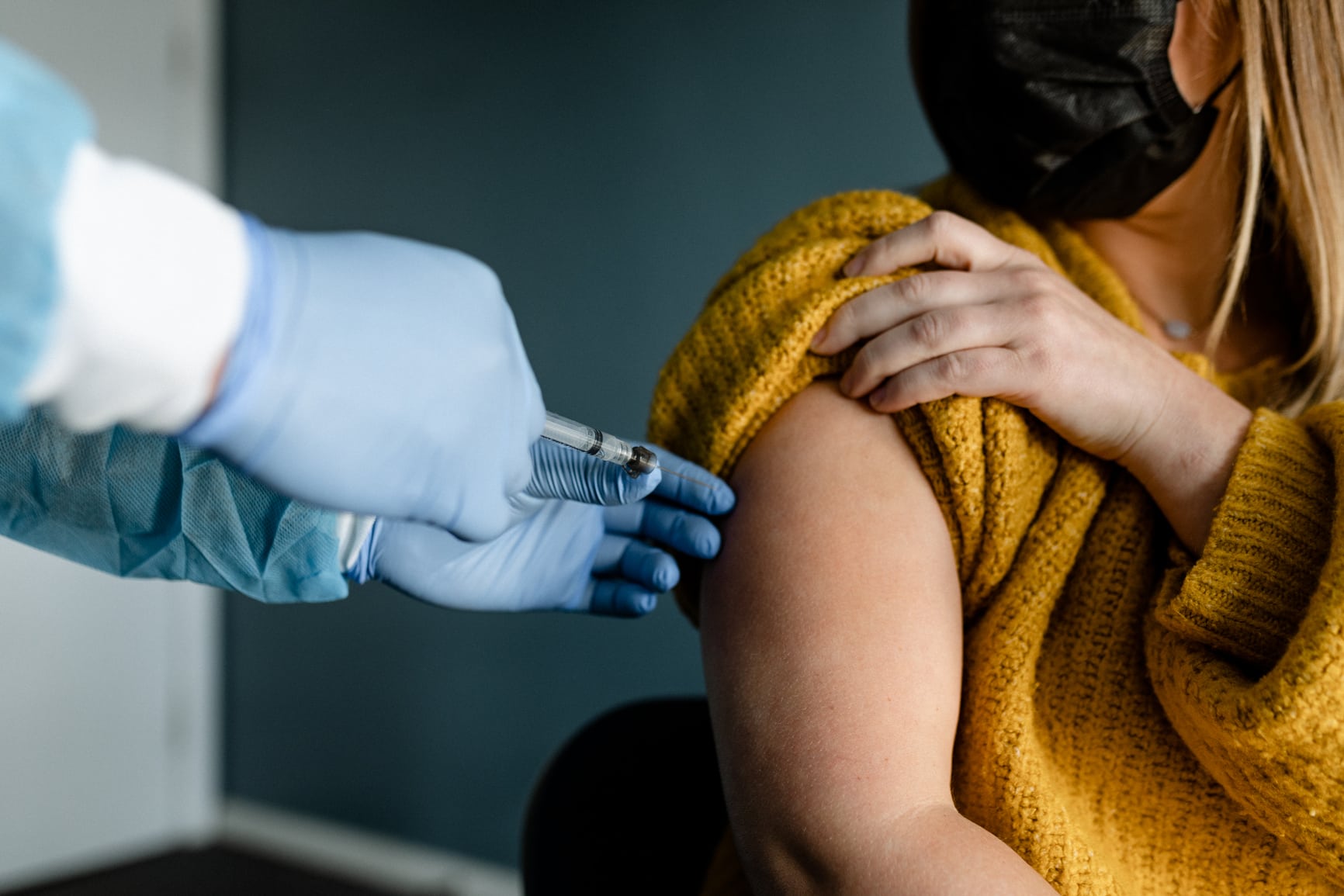
Benlysta is available as IV infusions at a healthcare facility every 2-4 weeks, or subcutaneous injections for home use weekly or fortnightly.
- Both are equally effective; your doctor will recommend the best option.
How is a Benlysta infusion given?
You will be given Benlysta by a healthcare provider through a needle placed in a vein (IV infusion).
- It takes about 1 hour to give you the full dose of Benlysta.
- Your healthcare provider will tell you how often you should receive Benlysta.
- Your healthcare provider may give you medicines before you receive Benlysta to help reduce your chance of having a reaction. A healthcare provider will watch you closely while you are receiving Benlysta and after your infusion for signs of a reaction. A healthcare provider will review the signs and symptoms of possible allergic reactions that could happen after your infusion.
How is a Benlysta injection given?
Your healthcare provider will tell you how often and how much of Benlysta you should use. Use Benlysta exactly as your healthcare provider tells you to.
- Read the Instructions for Use that comes with your medicine for instructions about the right way to give Benlysta injections at home.
- Benlysta may be prescribed as a single-dose autoinjector or as a single-dose prefilled syringe.
- The single-dose autoinjector is for use in adults and children 5 years of age and older.
- The single-dose prefilled syringe is for use in adults 18 years of age and older.
- For children under 10 years of age, Benlysta must be given by a healthcare provider or a trained caregiver.
- Remove from the refrigerator and allow it to reach room temperature for 30 minutes.
- Benlysta is injected under the skin (subcutaneously) of your stomach (abdomen) or thigh.
- Rotate injection sites
- Avoid skin that is bruised, tender, red, or hard.
- Use Benlysta on the same day each week or the same day every 2 weeks, as your healthcare provider tells you.
Before you use Benlysta, your healthcare provider will show you or your caregiver how to give the injections and review the signs and symptoms of possible allergic reactions.
What Happens if I Miss a Dose?
If you miss your subcutaneous dose of Benlysta on your planned day, inject a dose as soon as you remember. Then, inject your next dose at your regularly scheduled time or continue dosing based on the new day injected. In case you are not sure when to inject Benlysta, call your healthcare provider.
Call your doctor for instructions if you miss an appointment for your IV Benlysta infusion.
Dosing Information
Intravenous Dosing of Benlysta for Active SLE or Lupus Nephritis
- 10 mg/kg at 2-week intervals for the first 3 doses and at 4-week intervals thereafter.
- Administer over 1 hour.
- Consider prophylactic premedications for infusion reactions and hypersensitivity reactions.
Subcutaneous Dosing of Benlysta for Active SLE or Lupus Nephritis
Active SLE:
- Adults: 200 mg once weekly
- Pediatric patients (≥40 kg): 200 mg once weekly
- Pediatric patients (15 kg to <40 kg): 200 mg every 2 weeks.
Active Lupus Nephritis:
- Adults: 400 mg once weekly for 4 doses, then 200 mg once weekly
- Pediatric patients (≥40 kg): 400 mg once weekly for 4 doses, then 200 mg once weekly
- Pediatric patients (15 kg to <40 kg): 200 mg once weekly for 4 doses, then 200 mg every 2 weeks.
Note: The 400 mg dose requires two 200 mg injections. Prefilled syringes have not been studied in children under 18 years.
How Long Until Benlysta Works?
Most patients improve within 2-6 months, though responses vary:
- Some notice reduced fatigue and joint pain as early as 8 weeks
- Most begin seeing improvements in lupus symptoms within 2-6 months
- Full benefits may take up to 12 months to develop
Continue treatment as prescribed, even without immediate results, because Benlysta works gradually to suppress your overactive immune response.
What to Avoid While Taking Benlysta
Live Vaccines
Do not receive live vaccines while taking Benlysta, as they may not work properly and could cause infection. Live vaccines include measles, mumps, rubella (MMR), rotavirus, typhoid, yellow fever, chickenpox, shingles, and the nasal flu vaccine. Inactivated vaccines like the flu injection are generally safe and recommended. Always discuss vaccination plans with your healthcare provider.
Sick Contacts
Avoid close contact with people who are sick or have infections, as Benlysta may weaken your immune system.
Drug Interactions
Tell your healthcare provider about all the medicines you take, including prescription and over-the-counter medicines, vitamins, and herbal supplements. Especially tell your healthcare provider if you take:
- Other biologics, such as rituximab. Research does not support using Benlysta with other biologics due to increased risk of serious infections and reactions.
Know the medicines you take. Keep a list of your medicines with you to show to your healthcare provider and
pharmacist when you get a new medicine.
Benlysta J Code
Benlysta J code is J0490 (Injection, belimumab, 10 mg).
Storage Instructions
Store autoinjectors and prefilled syringes at 36°F to 46°F (2°C to 8°C) until use and keep in their original carton to protect from light until use.
- Do not freeze
- Do not shake
- Avoid exposure to heat
Do not use Benlysta if it has been left out of the refrigerator for more than 12 hours.
Benlysta Ingredients
Active ingredient: belimumab
Inactive ingredients (IV): citric acid, polysorbate 80, sodium citrate, sucrose
Inactive ingredients (SC): L-arginine hydrochloride, L-histidine, L-histidine monohydrochloride, polysorbate 80, sodium chloride
Available as:
- Intravenous (IV): Single-dose vial: 120 mg or 400 mg lyophilized powder for reconstitution
- Subcutaneous (SC): Prefilled syringe: 200 mg/mL (adults 18+) and autoinjector: 200 mg/mL (ages 5+)
Manufacturer
Benlysta is made by GlaxoSmithKline LLC, Philadelphia, PA 19104.
Frequently Asked Questions
Is Benlysta a chemotherapy drug?
No. Benlysta is a targeted biologic therapy that specifically blocks the BLyS protein involved in lupus. Unlike chemotherapy drugs that kill rapidly dividing cells throughout the body, Benlysta selectively reduces overactive B-cells without the widespread cellular damage associated with chemotherapy.
Can I travel while taking Benlysta?
Yes, you can travel while receiving Benlysta, but you will need to plan ahead.
- Subcutaneous Benlysta injections:
- Bring enough medication plus extra for delays
- Pack in carry-on luggage with a cooling pack (not frozen)
- Bring a prescription and a doctor’s letter
- Research medication import requirements for international destinations.
- Intravenous Benlysta Infusions:
- Coordinate with a healthcare provider to find infusion centers at your destination
- Consider adjusting the dosing schedule around travel dates.
Will Benlysta cure my lupus?
No, Benlysta will not cure Lupus. However, Benlysta can significantly help manage lupus by reducing disease activity, decreasing frequency and severity of flares, improving symptoms like fatigue and joint pain, potentially slowing organ damage, and improving quality of life.
Can I drink alcohol while taking Benlysta?
There are no specific restrictions on alcohol with Benlysta. However, other lupus medications (like methotrexate or NSAIDs) that you may be taking may interact with alcohol. Alcohol can also worsen lupus symptoms such as fatigue and depression and impair immune function, increasing infection risk.
Talk to your healthcare provider about drinking alcohol with Benlysta.
Benlysta Biosimilars
Biosimilar and interchangeable products are biological products that are highly similar to and have no clinically meaningful differences from the reference product.
Reference products
These are biological products that have already been approved by the FDA, against which biosimilar products are compared. There is 1 for Benlysta.Benlysta (belimumab) – GlaxoSmithKline LLC
| Formulation type | Strength |
|---|---|
| Autoinjector | 200 mg/mL |
| Pre-Filled Syringe | 200 mg/mL |
| Single-Dose Vial | 120 mg |
| Single-Dose Vial | 400 mg |