



Leprostatics 

What are Leprostatics?

Leprostatic agents inhibit the growth of Mycobacterium leprae, the bacterium that causes leprosy. Different leprostatic agents work differently either by actively killing the growing mycobacteria or by inhibiting bacterial growth. Generally two to three drugs are used together in treatment to avoid emergence of resistant strains of the organism.

The drugs used in WHO-MDT are a combination of rifampicin, clofazimine and dapsonefor MB leprosy patients and rifampicin and dapsone for PB leprosy patients. Among these drugs, rifampicin is the most important anti-leprosy drug and therefore, is included in the treatment of both types of leprosy.

Some of the second-line anti-leprosy drugs are bactericidal for M. leprae. Clarithromycin and minocycline have bactericidal activity, although less than that of rifampin, and thioamides (ethionamide) are less effective.

Chaulmoogra oil is the fixed oil obtained by cold expression from ripe seeds of Taraktogenos kurzii King, (syn. Hydnocarpus kurzii (King) Warb.), Hydnocarpus wightiana Blume, H. anthelminticta Pierre, H. heterophylla, and other species of Hydnocarpus, Family: Flacourtiaceae.

The mechanisms by which two anti-leprotic drugs (clofazimine and dapsone), both with anti-inflammatory properties, inhibit myeloperoxidase (MPO)-catalysed reactions, were investigated.

The Guidelines for the diagnosis, treatment and prevention of leprosy (WHO, 2018), recommends the same 3-drug regimen with rifampicin, dapsone and clofazimine for all leprosy patients, with a duration of treatment of 6 months for PB leprosy and of 12 months for MB leprosy. Rifampicin is given once a month.

List of Leprostatics

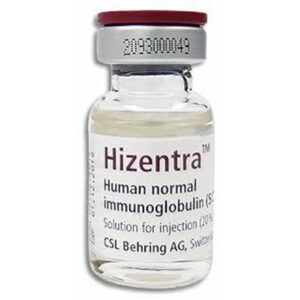
Hizentra

Hizentra