
















Metabolic agents
What are Metabolic agents?
Metabolic agents are substances capable of producing an effect on the sum of the chemical and physical changes occurring in tissue, consisting of those reactions that convert small molecules into large (anabolism), and those reactions that convert large molecules into small (catabolism ).
- Stable.
- Inefficient.
- Efficient.
- Adaptable.
Metabolic and endocrine drugs are used to treat disorders associated with the endocrine system and metabolism. The endocrine system is a network of glands that secrete hormones, responsible for the normal functioning of every body organ.
There are five major sources of metabolic fuel used by animal tissues, these include glucose, fatty acids, ketones, amino acids, and lactate. Glucose, fatty acids, and amino acids are generally derived from dietary sources, although some can be synthesised by specific organs.
Metabolism (pronounced: meh-TAB-uh-liz-um) is the chemical reactions in the body’s cells that change food into energy. Our bodies need this energy to do everything from moving to thinking to growing. Specific proteins in the body control the chemical reactions of metabolism.
Types of Metabolic agents
List of Metabolic agents
Alendronate
Ezetimibe and rosuvastatin
Fosamax
Gemfibrozil
Glimepiride
Glipizide
Glucagon
Glucophage
Glucotrol
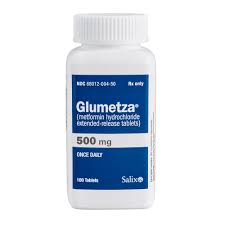
Glumetza
Glyburide
Glyxambi
Glyxambi
Gvoke
Humalog
Humulin N
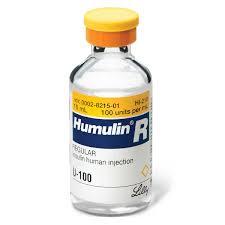
Humulin R
Humulin R (Concentrated) (U-500)
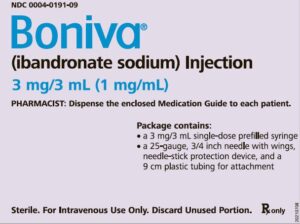
Ibandronate (Monograph)
Icosapent
Insulin aspart
Insulin degludec
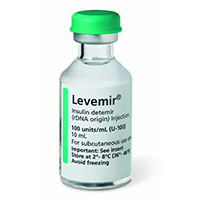
Insulin Detemir
Insulin glargine
Insulin lispro
Insulin Regular
Invokana
Janumet
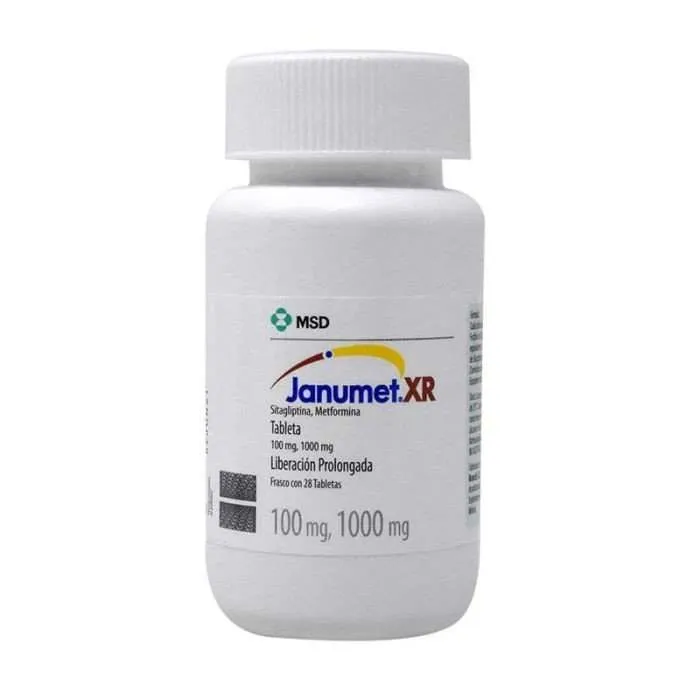
Janumet XR
Januvia
Jardiance
Jentadueto
Jentadueto XR
Jubbonti
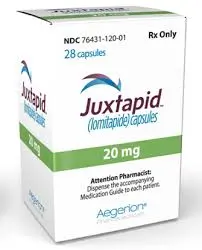
Juxtapid
Krystexxa Injection
Lantus
Levemir
Liraglutide
Lyumjev
Metformin
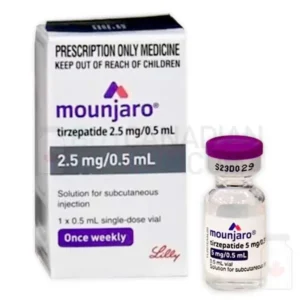
Mounjaro
Nexletol
Nexlizet
Novolin N
NovoLog
Olezarsen
Orlistat
Ozempic
Praluent
Prolia
Questran
Questran Light
Reclast
Repaglinide
Repatha
Rezdiffra
Risedronate
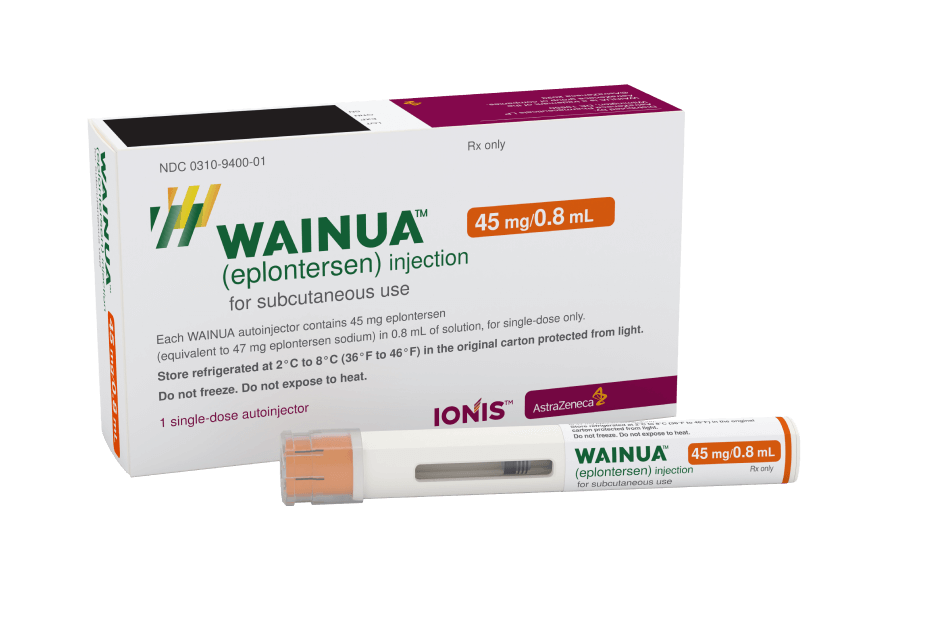
Wainua