Neuraminidase inhibitors 

What are Neuraminidase inhibitors?

Neuraminidase inhibitors are drugs that block the function of the viral neuraminidase protein. By blocking this protein enzyme it stops the release of viruses from the infected host cell and prevents new host cells from being infected. These antiviral agents inhibit all subtypes of neuraminidase enzymes, therefore are effective against influenza viruses A and B.

Drugs called neuraminidase inhibitors, which include oseltamivir (Tamiflu) and zanamivir (Relenza), inhibit the release of influenza A and B viruses from host cells. This inhibition stops the process of viral replication. Neuraminidase inhibitors are commonly used in both the prevention and the treatment of influenza.
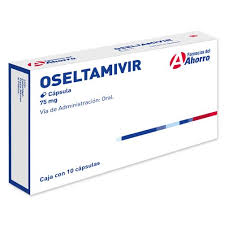
Neuraminidase inhibitors (NIs) comprise inhaled zanamivir (Relenza, GlaxoSmithKline), oral oseltamivir (Tamiflu, Gilead Sciences and F. Hoffman‐La Roche), parenteral peramivir (BioCryst Ltd), inhaled laninamivir (Daiichi Sankyo Co. Ltd) (Sugaya 2010) and others still under development (Hayden 2009).

Neuraminidase cleaves the sialic acid molecule, thereby freeing the virus to infect other cells in the host organism. Antibodies against neuraminidase that are generated by the host’s immune system following infection bind to a portion of the neuraminidase antigen known as an epitope.

Neuraminidase inhibitors prevent escape; therefore, the virus cannot be released from the infected cell. Viral spread to other cells is prevented and the disease duration and symptoms are improved.

Four NA inhibitors are currently licensed in various parts of the world for the treatment and prevention of influenza A and B infections: zanamivir, oseltamivir, peramivir, and laninamivir.

List of Neuraminidase inhibitors