




Protease-activated receptor-1 antagonists 

What are Protease-activated receptor-1 antagonists?

Protease-activated receptor-1 (PAR 1) antagonists have an antiplatelet effect by inhibiting thrombin-related platelet aggregation.

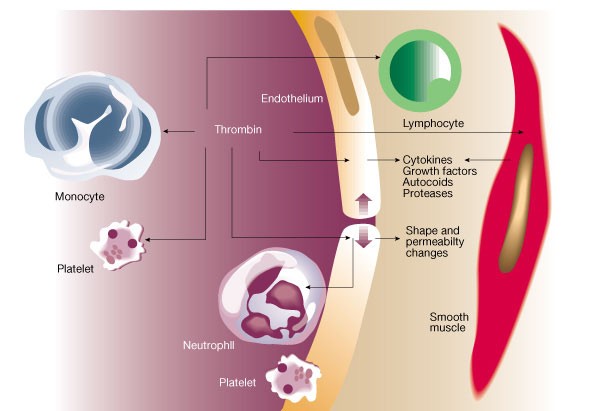
Thrombin’s cellular effects are mediated by PARs therefore the action of the PAR 1 antagonists alters signalling in platelets and interferes with platelet activation.

PAR 1 antagonists are used to reduce the risk of thrombotic cardiovascular events in patients who have an increased risk of myocardial infarction or peripheral arterial disease.

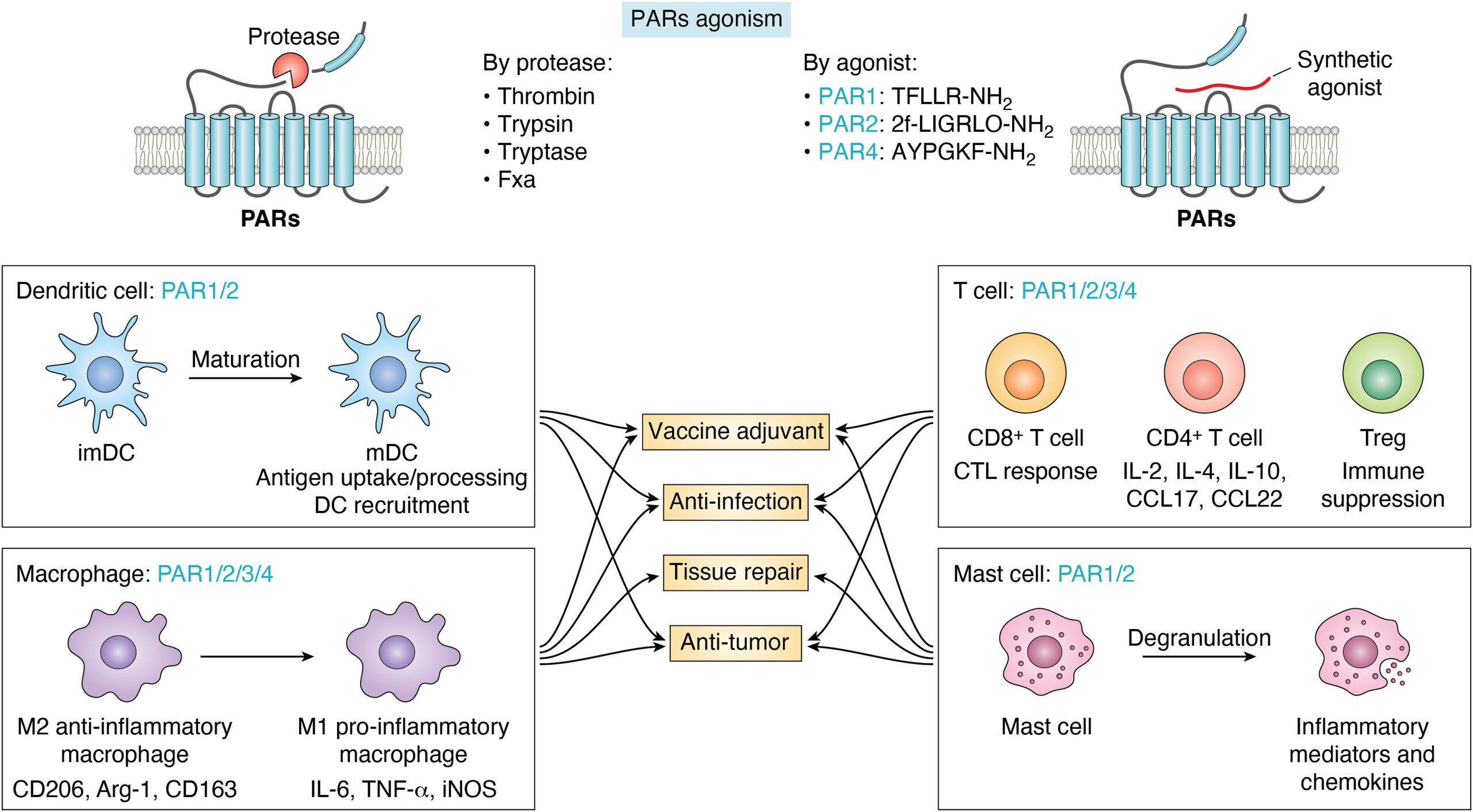
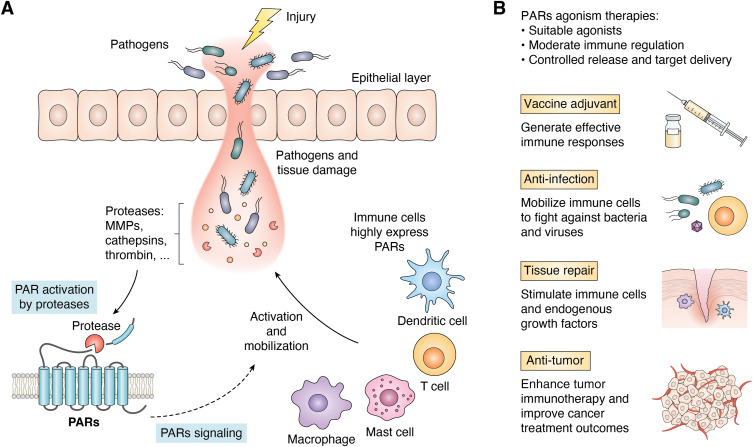
Function. PARs play a role in a multitude of physiological processes such as hemostasis, thrombosis, inflammation, and pain sensation. The cellular effects of thrombin are mediated by protease-activated receptors (PARs).

For example, atenolol is a ß1 antagonist. Can you think what it might be used for? Remember that activation of ß1 receptors raises the heart rate and a ß1 antagonist will therefore prevent this action. Consequently atenolol is used to slow the pulse and control high blood pressure.

The alpha-1 adrenergic receptor antagonists (also called alpha-blockers) are a family of agents that bind to and inhibit type 1 alpha-adrenergic receptors and thus inhibit smooth muscle contraction. Their major uses are for hypertension and for symptomatic benign prostatic hypertrophy.

Vorapaxar is a selective antagonist of protease-activated receptor-1 (PAR-1), thereby blocking thrombin-mediated platelet activation. However, other actions of thrombin, such as fibrin formation and protein-C activation, are not inhibited by blocking PAR-1.

Vorapaxar is a selective antagonist of protease-activated receptor-1 (PAR-1), thereby blocking thrombin-mediated platelet activation. However, other actions of thrombin, such as fibrin formation and protein-C activation, are not inhibited by blocking PAR-1.

List of Protease-activated receptor-1 antagonists