Somatostatin and somatostatin analogs 

What are Somatostatin and somatostatin analogs?

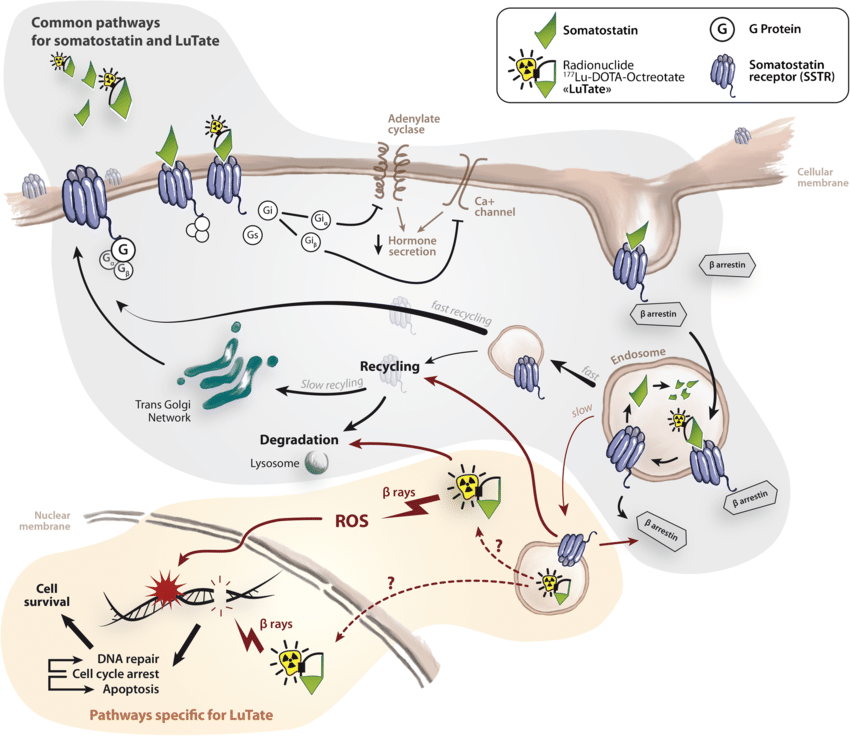
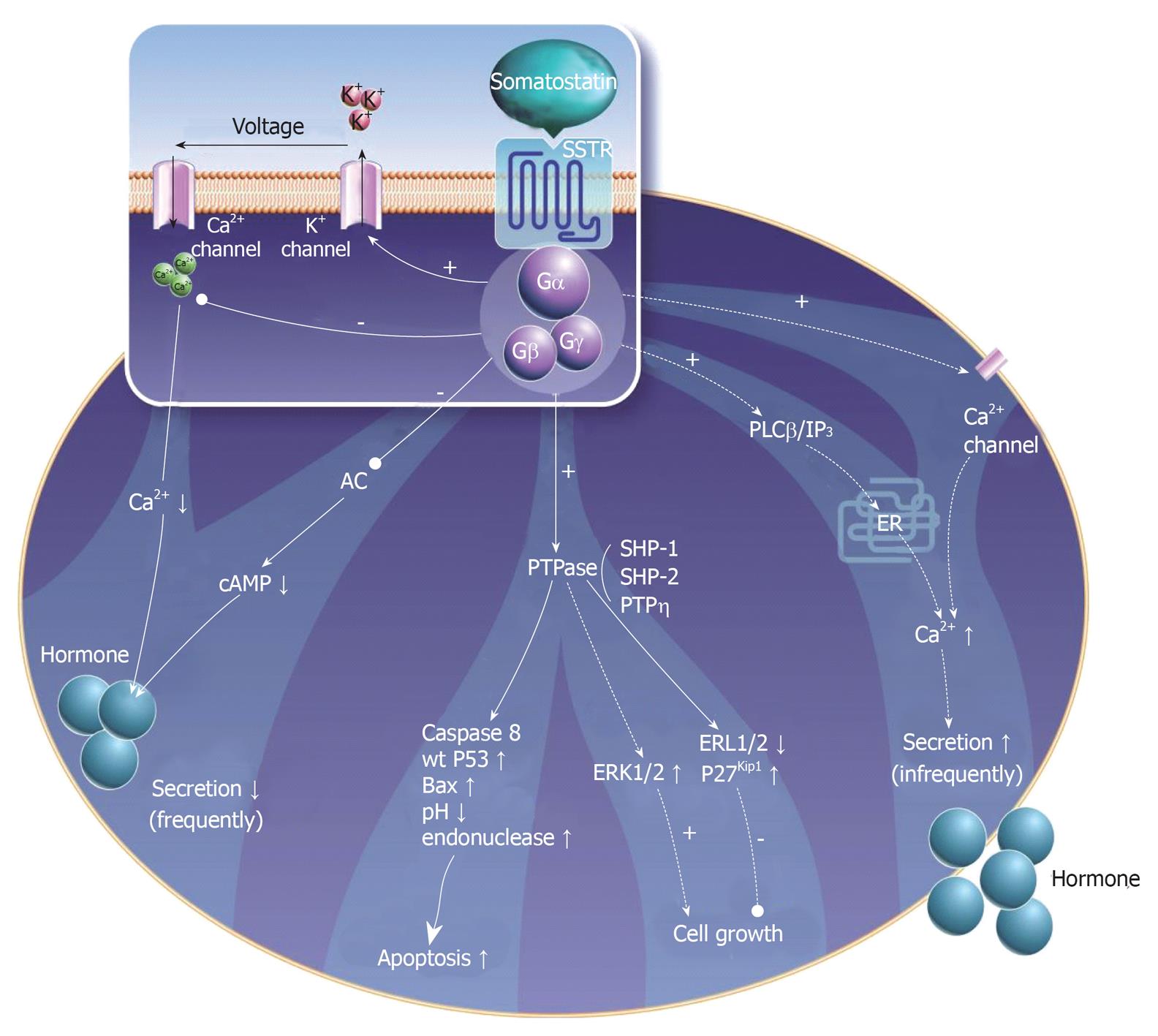
Somatostatin is a hormone produced by the hypothalamus and some other tissues such as the pancreas and the gastrointestinal tract. It inhibits the release of growth hormone from the anterior pituitary, and insulin and glucagon from the pancreas.

Somatostatin also decreases the release of most gastrointestinal hormones and reduces gastric acid and pancreatic secretion. It can reduce abdominal blood flow therefore somatostatin analogs can be used to reduce bleeding from esophageal varices.

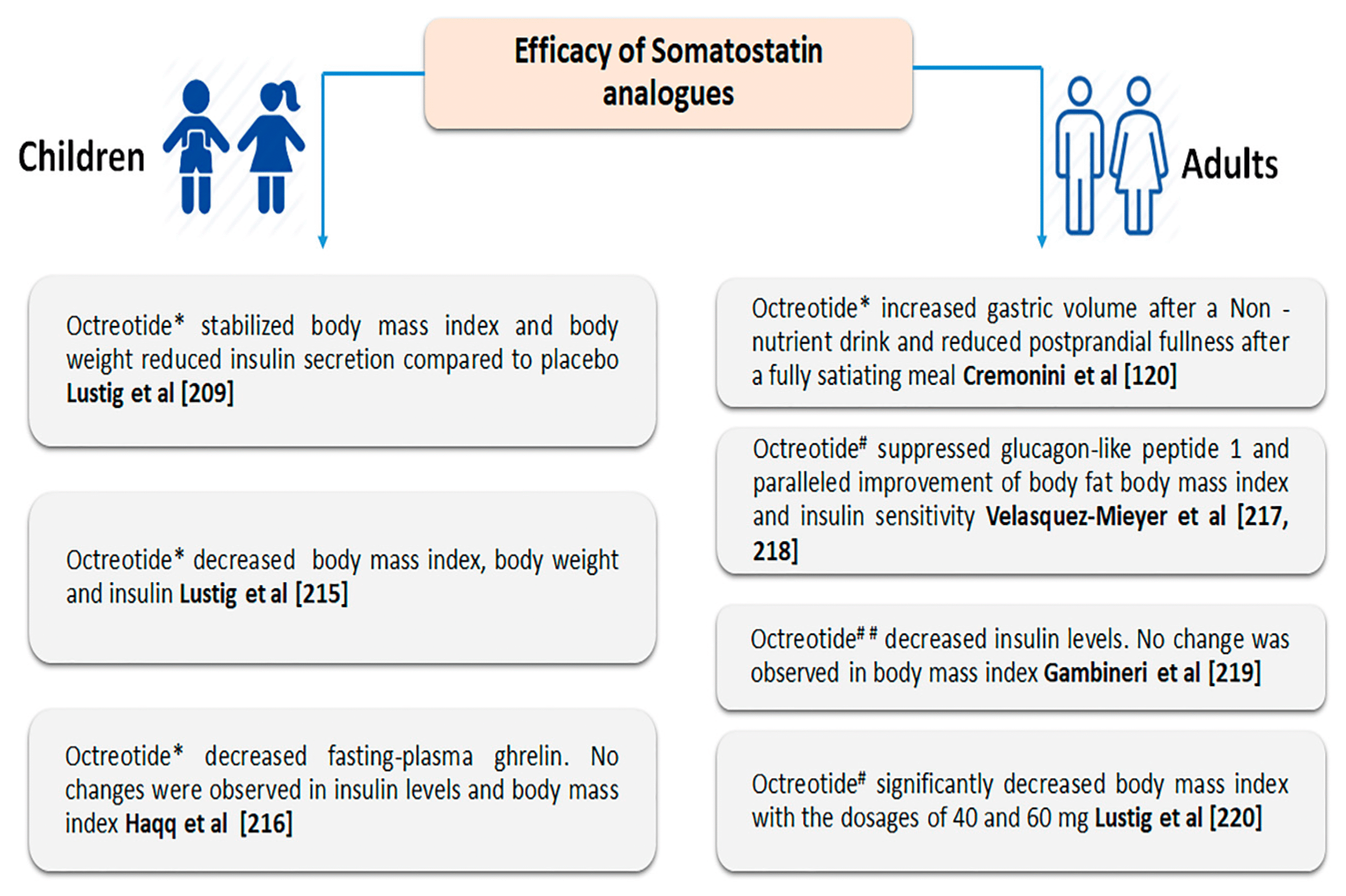
Somatostatin analogs are used for treatment of tumors secreting vasoactive intestinal peptide, carcinoid tumors, glucagonomas and various pituitary adenomas. It is also used to treat acromegaly (a condition in where there is oversecretion of growth hormone in an adult).

The most common somatostatin analogue drugs used are: octreotide – also known as Sandostatin. lanreotide – also known as Somatuline Autogel.

Somatotropin depresses the activity of factors II, VII, IX and X and causes hypocoagulability, while somatostatin not only prevents the inhibiting effect on factors II, VII and X, but also increases their activity and causes hypercoagulability.

Two forms of somatostatin exist: somatostatin-14 and somatostatin-28. Both exhibit inhibitory activities, although their specificity for somatostatin receptor subtypes differs somewhat. Somatostatin is a prototypical paracrine transmitter that is released from somatostatin-containing D cells and acts on adjacent cells.

In your pancreas, somatostatin prevents (inhibits) the release of pancreatic hormones, including insulin, glucagon and gastrin, and pancreatic enzymes that aid in digestion. In your gastrointestinal (GI) tract, somatostatin reduces gastric secretion, which is stimulated by the act of eating.

List of Somatostatin and somatostatin analogs


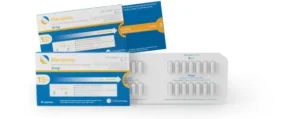
Mycapssa

Mycapssa