



Search
-
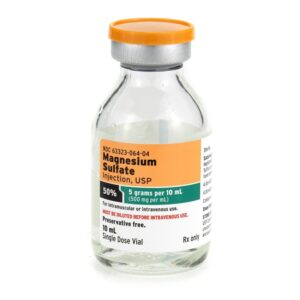
Laxatives / Letter - M / Minerals and electrolytes / Miscellaneous anticonvulsants
September 6, 2025
-
-
-
-

-
 Dr. Ahmed Hafez says:
 -

-
Dewitt Mcnerney says:

Boost your medical knowledgewith our comprehensive Medical Quiz Bank – designed for pre-medical, medical, and postgraduate students.
Practice smarter, master exams faster, and stay ahead in your medical journey!

Discover your ultimate medical store, serving medical students, doctors, healthcare professionals, the general public, and store owners. We provide a wide range of medical supplies, equipment, and gadgets to meet all your needs. Whether you’re stocking your clinic, looking for study tools, or shopping for everyday health products, our platform makes it easy, reliable, and convenient. Store owners can also showcase their products and reach a wide audience. Everything medical, all in one place!
S P O N S O R S