Analgesic combinations 

What are Analgesic combinations?

Analgesic combinations contain at least one analgesic in combination with another medicine or medicines. An analgesic is the name given to a medicine that relieves pain without putting you to sleep or making you lose consciousness. Analgesics may also be known as painkillers or pain relievers.

If an analgesic combination product contains two analgesics, these generally have different ways of working to relieve pain.

Analgesic combination products tend to either have acetaminophen, an NSAID (such as ibuprofen or naproxen), or an opioid (such as codeine) as one of their ingredients.

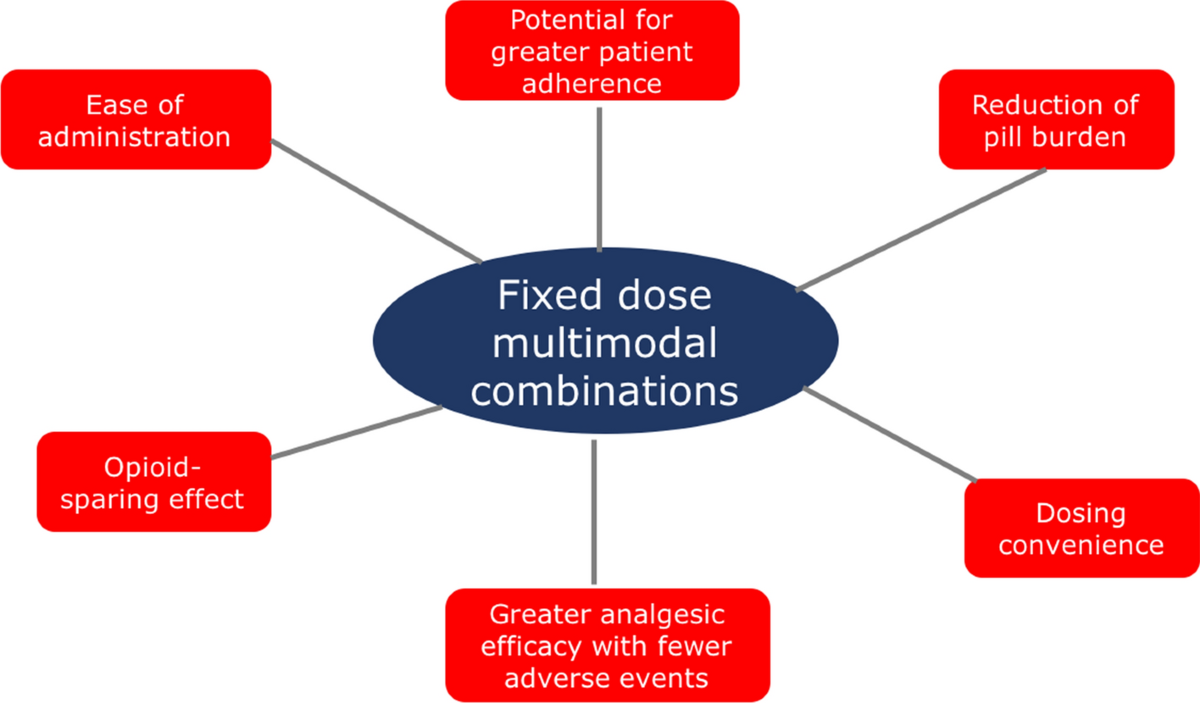
Combining analgesics offers the possibility of increasing effectiveness without increasing dose (and therefore risk). NSAIDs are often combined with acetaminophen, particularly for treating postoperative pain. Prescribing acetaminophen and ibuprofen together is common in clinical practice.

Analgesics are medications that relieve pain. There are three main types: non-opioid analgesics, opioid analgesics, and compound analgesics that combine the two previous forms.

It’s safe to take ibuprofen with paracetamol or codeine. But do not take ibuprofen with similar painkillers like aspirin or naproxen without talking to a pharmacist or doctor. Ibuprofen, aspirin and naproxen belong to the same group of medicines called non-steroidal anti-inflammatory drugs (NSAIDs).

What are analgesic combinations used for?

Analgesic combinations may be taken to relieve pain that arises from a wide range of conditions, such as:

  • appendicitis
  • cancer
  • congenital conditions such as curvature of the spine
  • fibromyalgia
  • gallbladder disease
  • gastrointestinal disorders
  • headaches
  • heart disease
  • improper lifting techniques or poor posture
  • infection
  • menstruation
  • migraines
  • multiple sclerosis
  • nerve damage
  • osteoarthritis
  • pain syndromes
  • poor posture
  • rheumatoid arthritis
  • sprains
  • strains
  • surgery
  • trauma
  • toothache
  • wound cleansing and debridement.

It is important to note that not all analgesic combinations are appropriate for all these conditions.

What are the differences between the different analgesic combinations?

Analgesic combinations differ in the ingredients they contain which means there are vast differences in the way they work, their potency, (how strong they are), and in the way they are absorbed, distributed, metabolized, and excreted within the body.

Some analgesic combinations contain NSAIDs, whereas others contain opioids (narcotics). Other ingredients may include caffeine, which enhances the pain-relieving effect of an analgesic, and diphenhydramine, which is used for its sleep-inducing properties.

Analgesic combinations that contain opioids should only be used if other analgesics or analgesic combinations have proved ineffective as they are potentially addictive.

Are analgesic combinations safe?

Most analgesic combinations are considered safe when taken for short periods of time and exactly as directed on the packaging or by a doctor. Some analgesic combinations, such as those containing acetaminophen or ibuprofen, may be considered safer than others.

Narcotic analgesic combinations have been associated with some serious risks such as respiratory depression (unusually slow and shallow breathing), opioid-use disorder, and potentially fatal overdose. They are potentially addictive and should only be used for certain conditions and under strict monitoring.

What are the side effects of analgesic combinations?

All medicines have side effects but how vulnerable a person is to them depends on several different factors such as age, genetics, kidney function and gender 

Narcotic analgesic combinations have many side effects, although people with cancer or a terminal illness taking narcotic analgesic combinations for long periods of time may become tolerant to some of these side effects.

Drowsiness, sleepiness, or dizziness are common with most narcotic analgesic combinations. These side effects may affect driving or a person’s ability to operate machinery and perform other hazardous tasks. Alcohol may potentiate these effects

Combination analgesics containing NSAIDs may also cause side effects, especially when used at higher than recommended dosages for long periods of time. Gastrointestinal side effects that may occur include bloating, diarrhea, constipation, irritation of the lining of the stomach, nausea or vomiting. Combination products containing NSAIDs may also affect kidney function and reduce how quickly blood flows through the kidneys. They may cause retention of sodium and water which can lead to edema and high potassium levels. Occasionally, they may cause more serious damage to the kidneys. NSAIDs have also been associated with a higher risk of cardiovascular disease.

Combination products that contain agents that enhance sleep such as diphenhydramine may also cause drowsiness and affect a person’s ability to drive, operate machinery, or perform other hazardous tasks.

Please refer to each combination product for a full list of side effects.

Common Analgesic combinations available in the U.S.

Generic nameBrand name examples
acetaminophen + aspirinGeneric
acetaminophen + aspirin + caffeineArthriten, Excedrin, Goody’s Extra-Strength
acetaminophen + butalbitalAllzital, Bupap
acetaminophen + butalbital + caffeineCapacet, Fioricet
acetaminophen + caffeineExcedrin Quick Tab, Excedrin Tension Headache
acetaminophen +caffeine + isometheptene mucateDiscontinued
Acetaminophen + caffeine + magnesium salicylateGeneric
Acetaminophen + diphenhydramineMidol PM
acetaminophen + phenyltoloxamine CRDiscontinued
aspirin + butalbital + caffeineFiorinal
codeine + acetaminophenGeneric
codeine + acetaminophen + butalbital + caffeineFioricet with codeine
codeine + aspirin + butalbital + caffeineAscomp with codeine, Fiorinal with codeine
dihydrocodeine + acetaminophen + caffeineTrezix
hydrocodone + acetaminophenGeneric
hydrocodone + ibuprofenGeneric
ibuprofen + diphenhydramineAdvil PM
naproxen + diphenhydramineAleve PM, Excedrin PM, Tylenol PM
oxycodone + acetaminophenNalocet, Primlev
tramadol + acetaminophenUltracet

List of Analgesic combinations

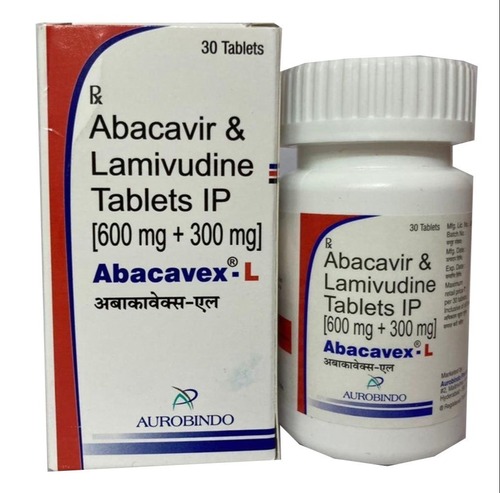
Abacavir

Abacavir

Abatacept

Abatacept

Abavite

Abavite

Abecma

Abecma

Abecma

Abecma

Abelcet

Abelcet

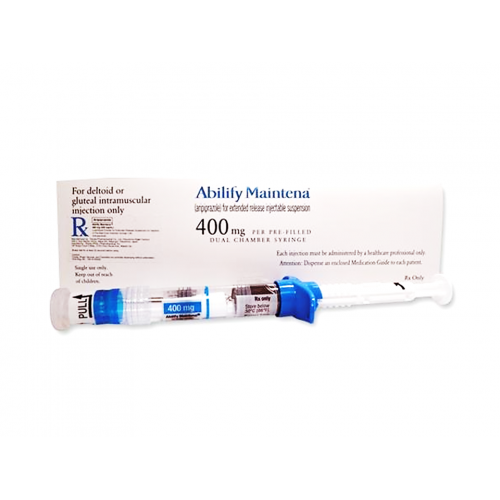
Abilify

Abilify

Abilify

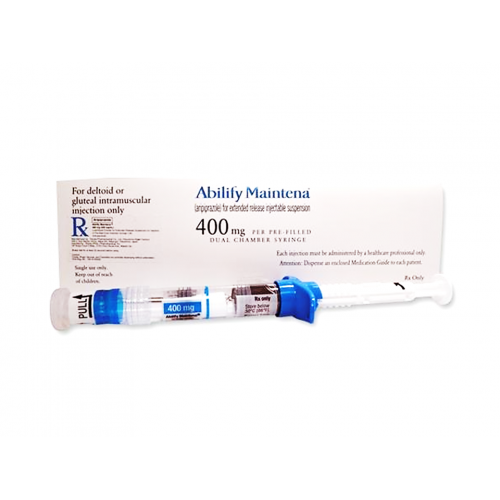
Abilify

Abilify

Abilify

Actemra

Actemra

Acyclovir

Acyclovir

Adderall

Adderall

Advil

Advil

Afinitor

Afinitor

Agamree

Agamree

Agamree

Agamree

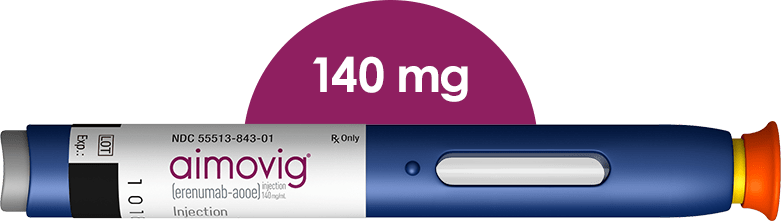
Aimovig

Aimovig

Ajovy

Ajovy

Aldactone

Aldactone

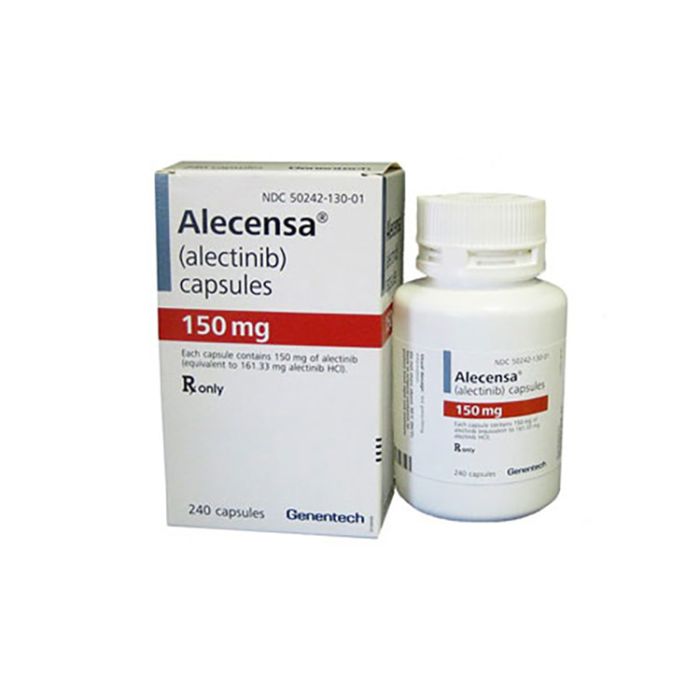
Alecensa

Alecensa

Alecensa

Alecensa

Alfuzosin

Alfuzosin

Alprolix

Alprolix

Alunbrig

Alunbrig

Ambien

Ambien

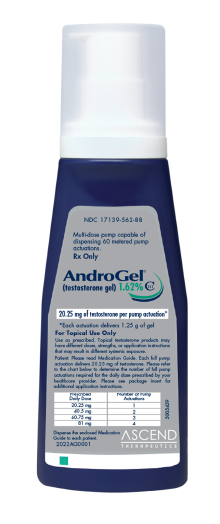
AndroGel

AndroGel

Apixaban

Apixaban

Aptiom

Aptiom

Arimidex

Arimidex

Aromasin

Aromasin

Atarax

Atarax