

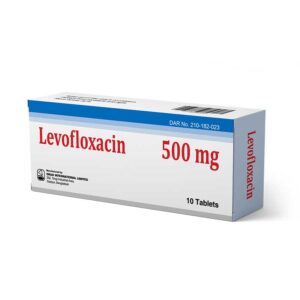
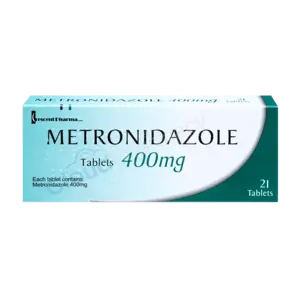
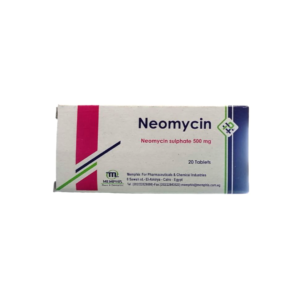



Anti-infectives
What are Anti-infectives?
Anti-infectives is a general term used to describe any medicine that is capable of inhibiting the spread of an infectious organism or by killing the infectious organism outright.
This term encompasses antibiotics, antifungals, anthelmintics, antimalarials, antiprotozoals, antituberculosis agents, and antivirals.
What are anti-infectives? Anti-infectives are medicines that work to prevent or treat infections, they include antibacterials, antivirals, antifungals and antiparasitic medications.
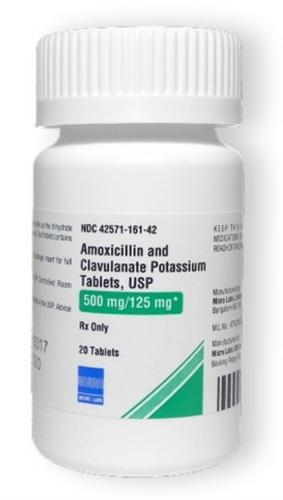
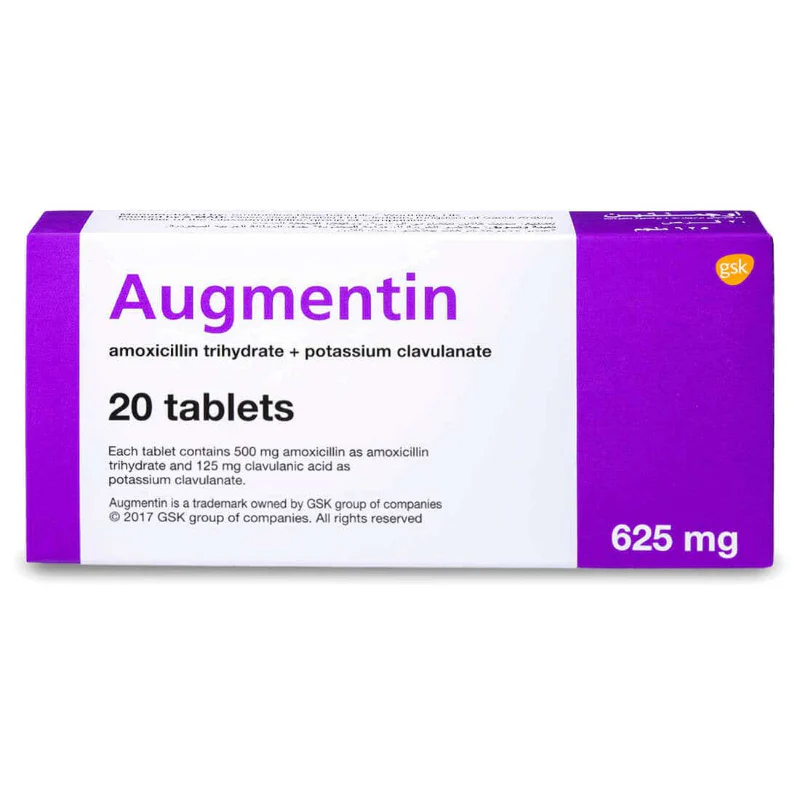
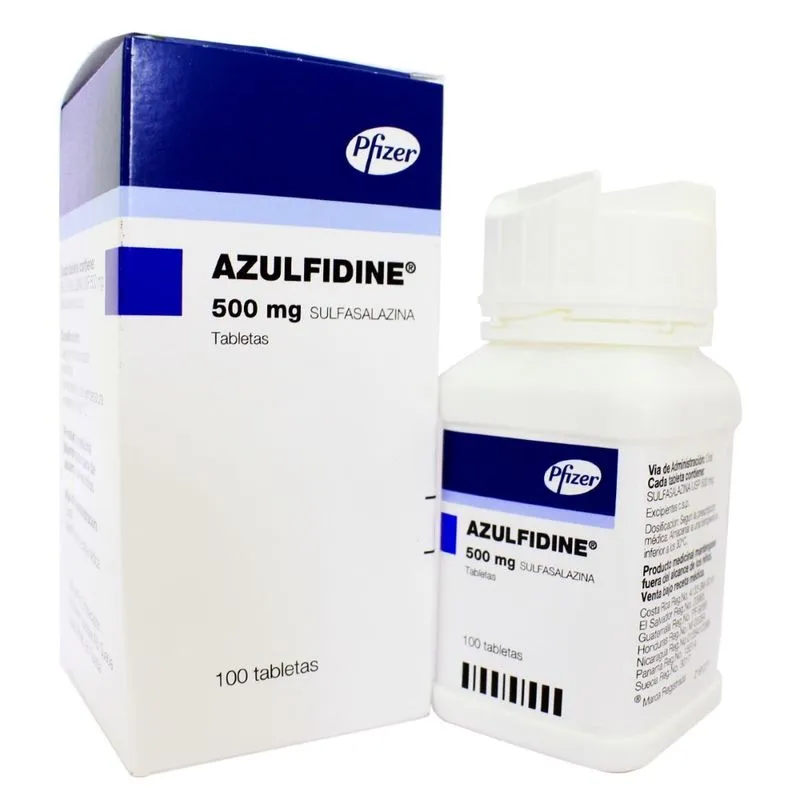
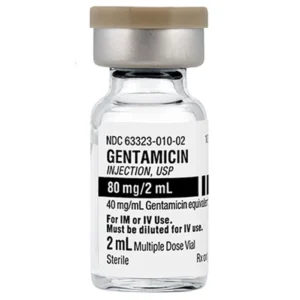
Anti-infectives include antibiotics and antibacterials, antifungals, antivirals and antiprotozoals. Antibiotics specifically treat infections caused by bacteria, most commonly used types of antibiotics are: Aminoglycosides, Penicillins, Fluoroquinolones, Cephalosporins, Macrolides, and Tetracyclines.
Antibiotics are drugs that are used to treat infections, while antibodies are proteins produced by the body’s immune system to fight off infections and diseases.
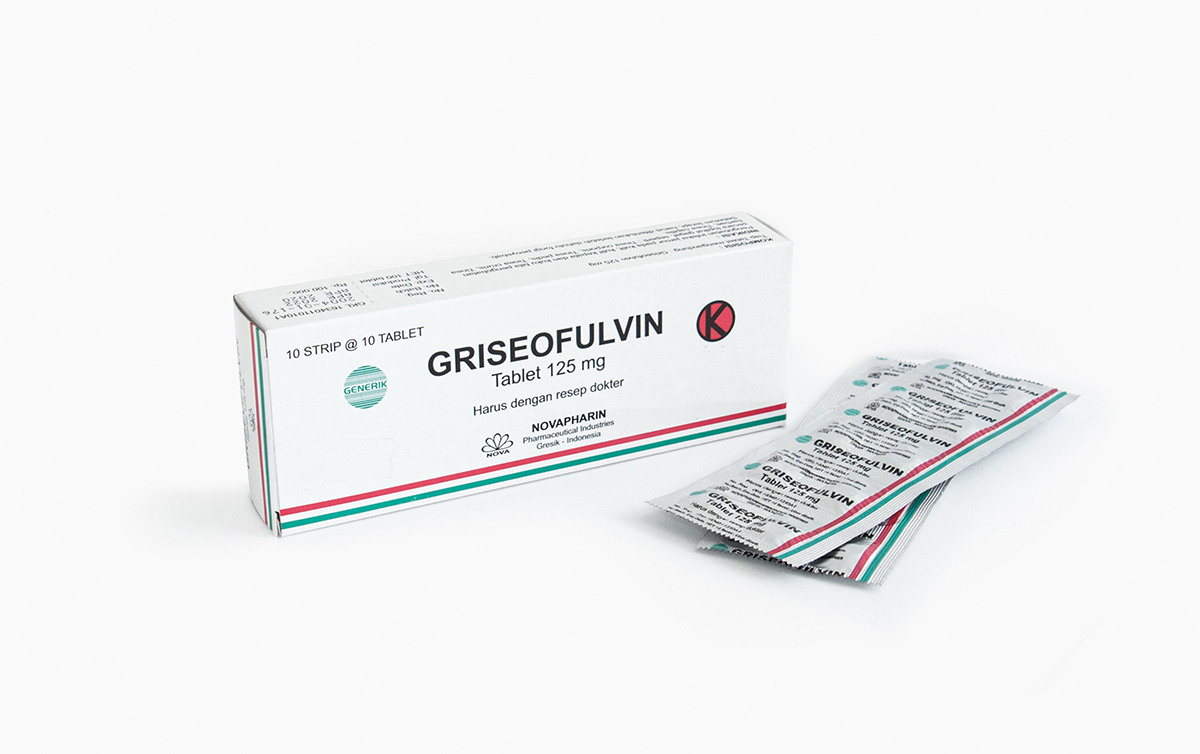
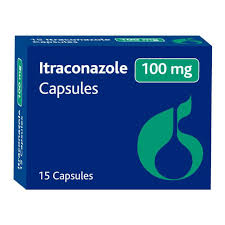
Antibacterials act against bacteria, antivirals act against viruses, antifungals act against fungi, and antiprotozoals act against protozoa
They work by killing bacteria or preventing them from spreading. But they do not work for everything. Many mild bacterial infections get better on their own without using antibiotics.
Types of Anti-infectives
- antiviral agents
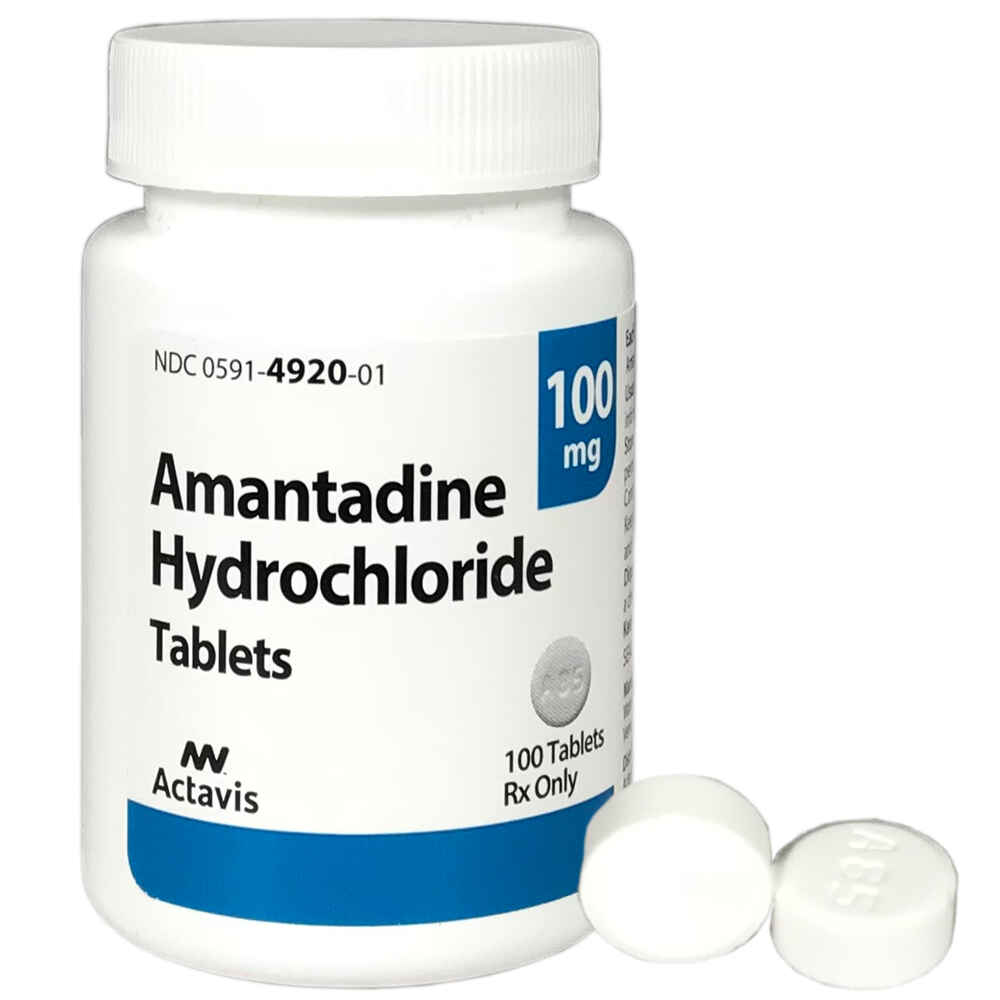
- adamantane antivirals
- antiviral boosters
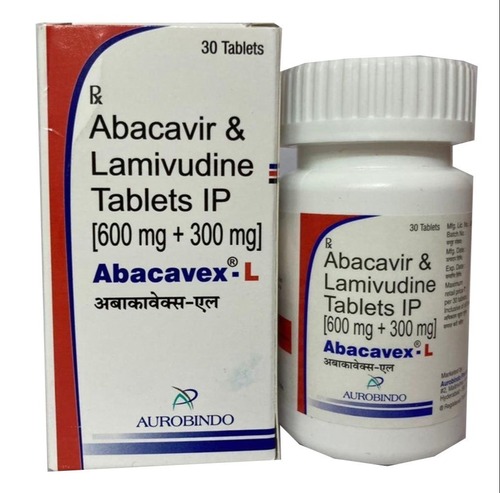
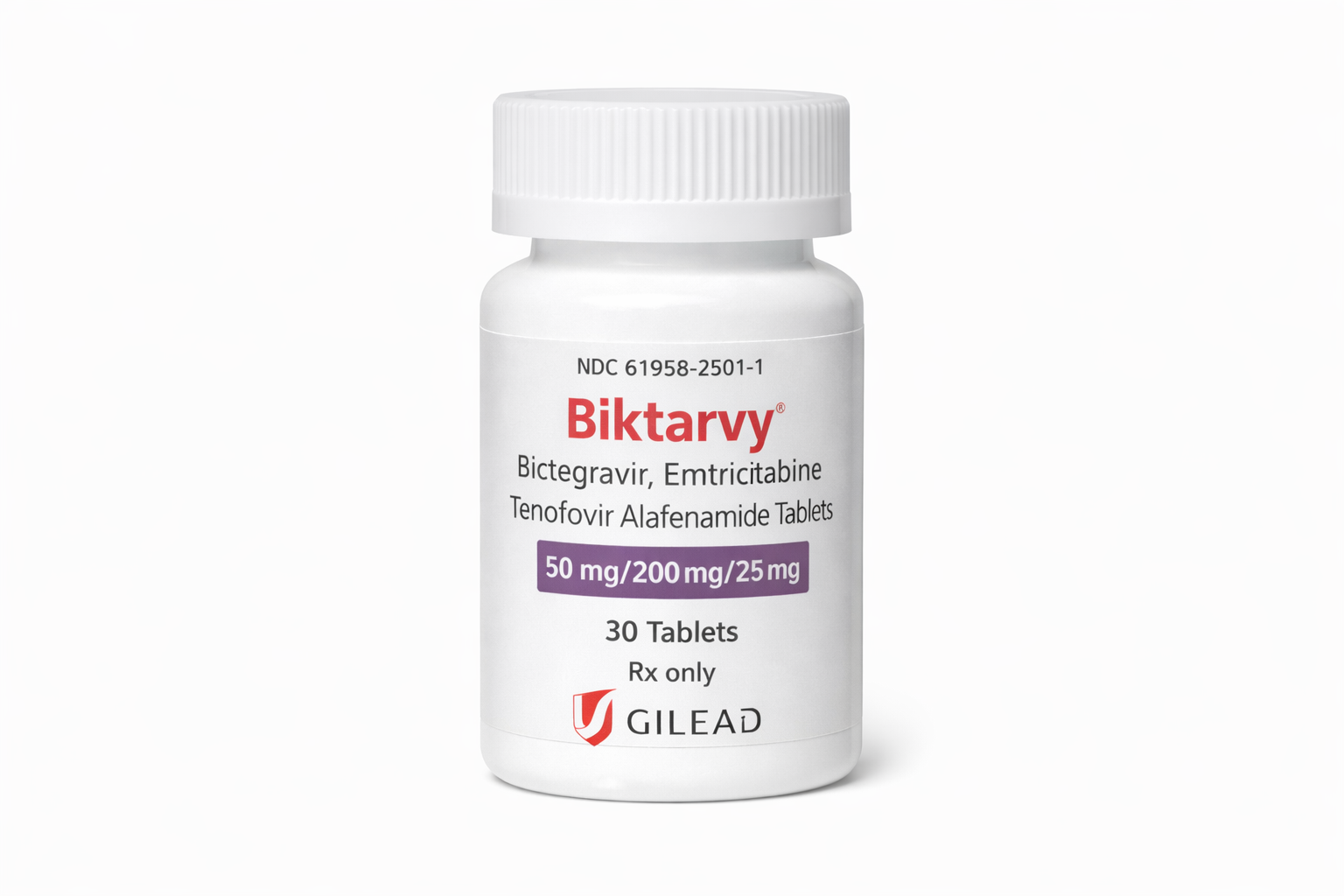
- antiviral combinations
- antiviral interferons
- antiviral monoclonal antibodies
- chemokine receptor antagonist
- integrase strand transfer inhibitor
- miscellaneous antivirals
- neuraminidase inhibitors
- NNRTIs
- NS5A inhibitors
- nucleoside reverse transcriptase inhibitors (NRTIs)
- protease inhibitors
- purine nucleosides
- carbapenems
- carbapenems/beta-lactamase inhibitors
- cephalosporins