Cardiovascular agents
What are Cardiovascular agents?
Cardiovascular agents are medicines that are used to treat medical conditions associated with the heart or the circulatory system (blood vessels), such as arrhythmias, blood clots, coronary artery disease, high or low blood pressure, high cholesterol, heart failure, and stroke.

There are many different classes of drugs that fall under the general term cardiovascular agent. Some work directly on the blood vessels surrounding the heart, reducing how much force the heart has to pump against. Others lower cholesterol levels and help reduce the formation of atherosclerotic plaques which cause blood vessel narrowing. Some work in the kidneys to increase fluid and salt loss or improve blood flow through the kidneys. The type of cardiovascular disease the person has determines which class of cardiovascular agent to use.
Digitalis – This cardio-active drug is a steroid that activates the cardiac muscle and is used to treat heart failure, arrhythmia and atrial fibrillation. Statins, fibrates and niacin – These drugs help reduce the blood cholesterol level, thereby reducing the risk of heart disease.
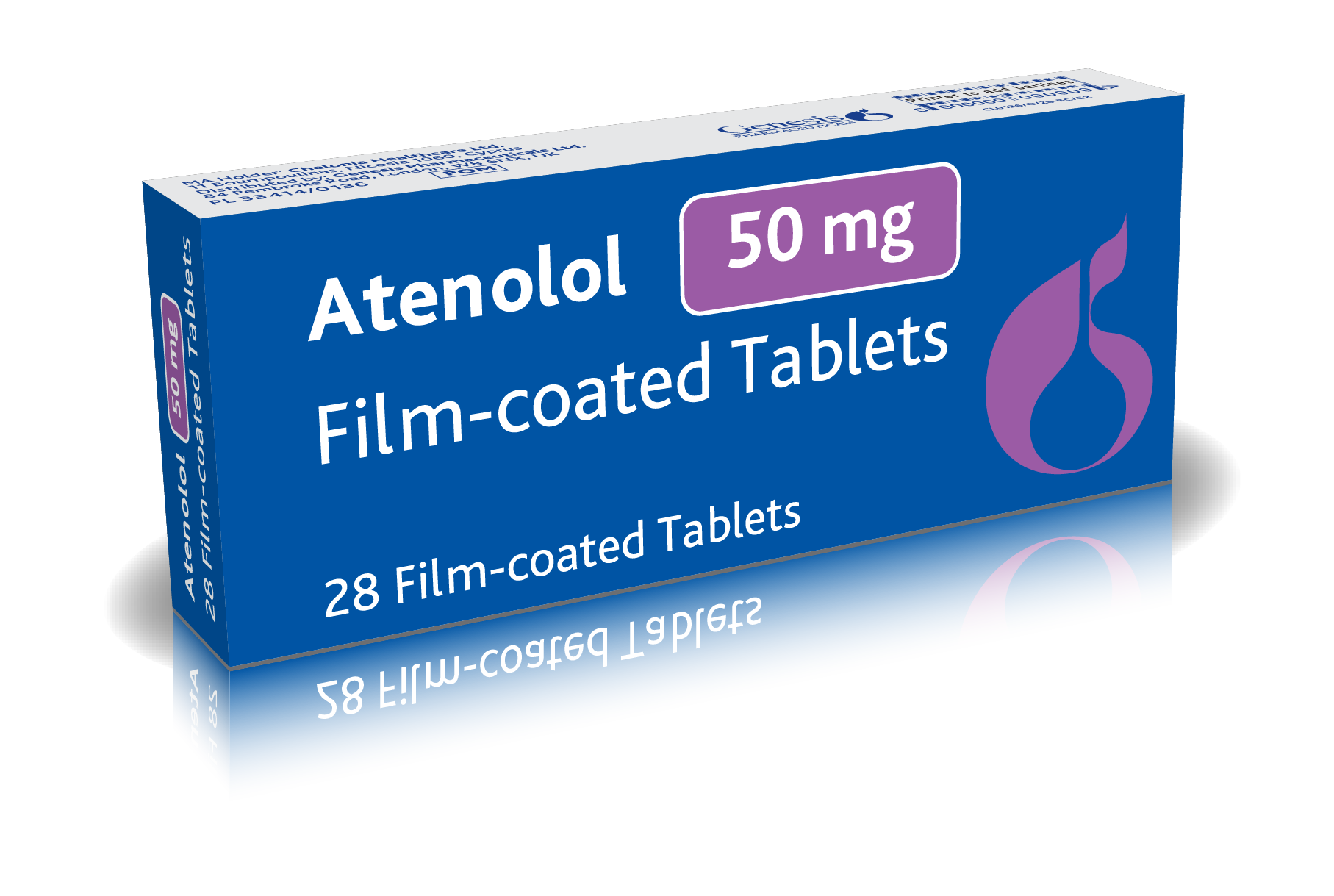
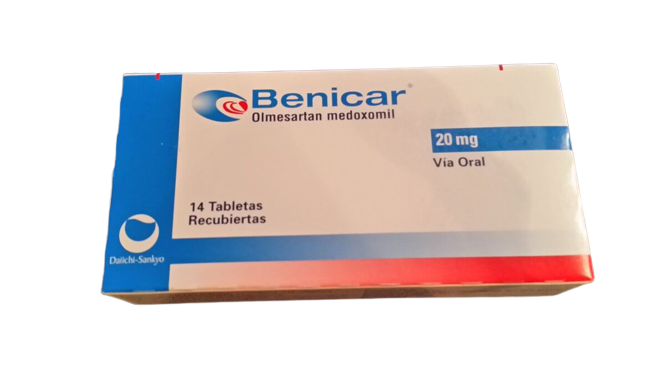
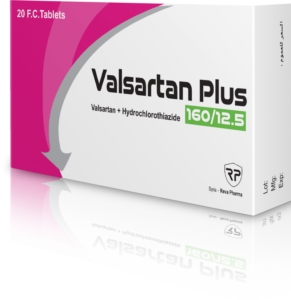
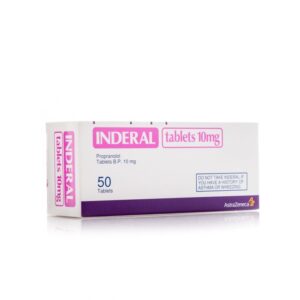
These agents are useful in the treatment of high blood pressure, heart failure and heart attacks. Examples of drugs in this class include candesartan, irbesartan, losartan, telmisartan and valsartan. Beta blockers or beta-adrenergic blocking agents – These agents decrease the heart rate and the final cardiac output.
Coronary artery disease is the build-up of plaque in the arteries supplying blood to the heart. Peripheral artery disease is the build-up of plaque in the arteries supplying blood to the arms and legs. Carotid artery disease is the build-up of plaque in the arteries that supply blood to the brain.
Types of Cardiovascular agents
- agents for hypertensive emergencies
- agents for pulmonary hypertension
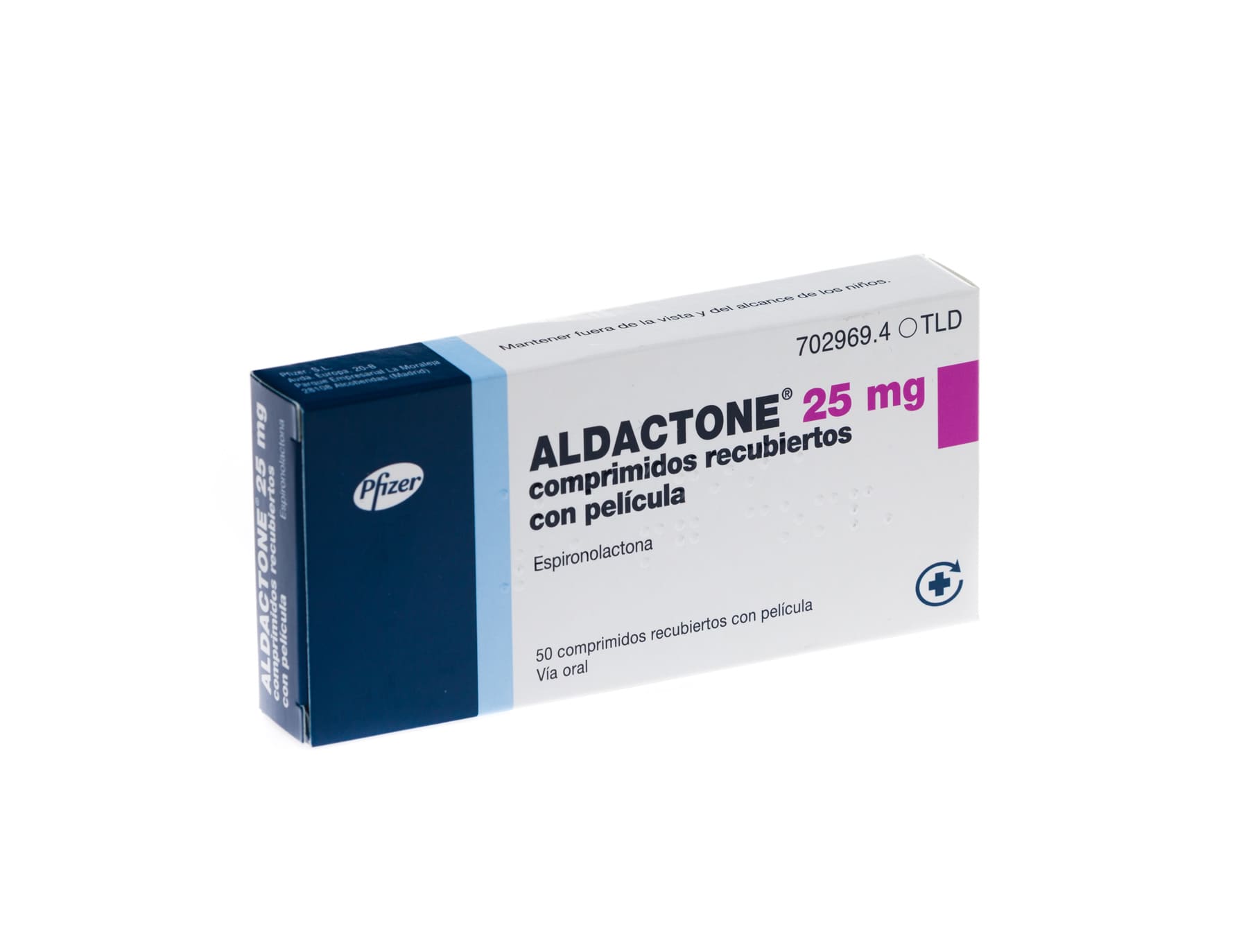
- aldosterone receptor antagonists
- Angiotensin Converting Enzyme Inhibitors
- angiotensin receptor blockers
- angiotensin receptor blockers and neprilysin inhibitors
- antiadrenergic agents, centrally acting
- antiadrenergic agents, peripherally acting
- antianginal agents
- antiarrhythmic agents
- anticholinergic chronotropic agents
- antihypertensive combinations
- ACE inhibitors with calcium channel blocking agents
- ACE inhibitors with thiazides
- angiotensin II inhibitors with calcium channel blockers
- angiotensin II inhibitors with thiazides
- antiadrenergic agents (central) with thiazides
- beta blockers with thiazides
- miscellaneous antihypertensive combinations
- potassium sparing diuretics with thiazides
- beta-adrenergic blocking agents
- calcium channel blockers
- catecholamines