Contraceptives 

Other names: Birth control

What are Contraceptives?

Contraceptives are the name given to medicines and other devices that are used to prevent unwanted pregnancy. Contraceptives may also be referred to as birth control.

Hormonal contraceptives consist of one or more synthetic female sex hormones.

  • Hormonal contraceptives that contain both an estrogen and progestin are called combined oral contraceptives (COCs).
  • Those that contain just progestin are called progestin-only contraceptives (POPs).

Birth control, also known as contraception, is the use of medicines, devices, or surgery to prevent pregnancy. There are many different types. Some are reversible, while others are permanent. Some types can also help prevent sexually transmitted infections (STIs).

Therefore, modern day types of contraception — including barrier methods like diaphragm and condom, spermicide, pills, injectables and IUDs (intrauterine devices) — are allowed. Also allowed are the traditional natural methods of rhythm, basal body temperature, and controlling cervical mucus.

COCs prevent pregnancy by inhibiting the normal process of ovulation (the release of an egg from an ovary) and by altering the lining of the uterus (the endometrium) so that it is unable to support a fertilized egg. They also change the viscosity (stickiness) of mucus within the cervix to make it hard for sperm to travel to the uterus.

POPs mainly just change the viscosity of mucus and thin the endometrium; however, in some women, they may also prevent ovulation, although this is usually inconsistent.

Hormonal contraceptives are available as pills (oral contraceptives), injections, implants, intrauterine devices, patches, and vaginal rings.

Nonhormonal contraceptives include condoms, diaphragms, sponges, spermicides, and cervical caps.

What are contraceptives used for?

Contraceptives are mostly used to help prevent women from becoming pregnant. Some hormonal contraceptives may also be prescribed to:

  • Help with acne control
  • Help regulate periods
  • Prevent ovulation and pregnancy in women with primary ovarian insufficiency (POI)
  • Reduce pain and cramping during menstruation
  • Reduce the symptoms of endometriosis, polycystic ovary syndrome (PCOS), premenstrual syndrome or premenstrual dysphoric disorder (PMDD).

Emergency contraceptives are contraceptives that are taken (or inserted if a copper IUD) within a few days after unprotected sex to help prevent implantation of a fertilized egg and a possible resulting pregnancy.

Condoms are contraceptives that offer the most protection against sexually transmitted infections, although protection is not 100%.

What are the differences between contraceptives?

There are several differences between contraceptives. The main difference is that some contain hormones whereas others do not. Hormone-containing contraceptives have more side effects than nonhormonal contraceptives.

Some combined hormonal contraceptives also contain supplements such as iron or folic acid.

Oral hormonal contraceptives: Combined hormonal contraceptives

Combined oral contraceptives (COCs) contain an estrogen and a progestin to prevent ovulation (the release of an egg from an ovary), thin the uterine lining, and thicken cervical mucus making it impenetrable to sperm.

Generic nameBrand name examples
estradiol + dienogestrelNatazia
ethinyl estradiol + desogestrelAzurette, Cyclessa, Desogen, Isibloom, Kariva, Reclipsen
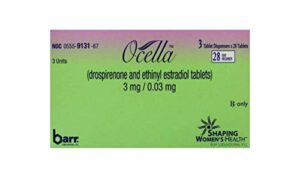
ethinyl estradiol + drospirenoneGianvi, Loryna, Nikki, Ocella, Syeda, Yaz, Zarah
ethinyl estradiol + drospirenone + levomefolateBeyaz, Safyral, Tydemy
ethinyl estradiol + ethynodiol diacetateKelnor 1/35, Zovia 1/35
ethinyl estradiol + levonorgestrelAmethyst, Aviane, Falmina, Levlen, Orsythia, Vienva
ethinyl estradiol and norgestimateEstarylla, Femynor, Mono-Linyah, Previfem, Sprintec, Tri-Lo-Marzia
ethinyl estradiol + norgestrelCryselle 28, Low-Ogestrel

Oral hormonal contraceptives: Progestin-only contraceptives

Progestin-only contraceptives (POPs) contain just one hormone, progestin. Most work by thickening cervical mucus, preventing sperm from entering the uterus.  POPs must be taken within the same three hours every day.

Generic nameBrand name examples
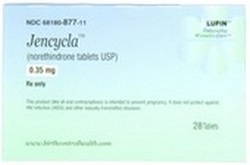
norethindroneCamila, Errin, Nor-QD

Emergency hormonal contraception

The emergency contraceptive pill (ECP), sometimes called the ‘morning after pill’ may be taken to prevent pregnancy after unprotected sex, contraceptive failure, or after a sexual assault. Levonorgestrel ECPs work best if taken within 72 hours of unprotected sex; however, they are still moderately effective if used within five days of unprotected sex. The ulipristal ECP can be used within five days of unprotected sex.

Generic nameBrand name examples
levonorgestrelEContra EZ, Fallback Solo, My Way, Next Choice One-Dose, Opcicon One-Step, Plan B One-Step
ulipristalella


Are contraceptives safe?

Hormonal contraceptives may not be suitable for some women especially those with certain types of cancer, at higher risk of clotting or strokes, liver disease, severe headaches, undiagnosed vaginal bleeding, uncontrolled high blood pressure or heart disease. Nonhormonal methods of contraception are more suitable for these women. Women who are pregnant who still wish to protect themselves from sexually transmitted infections should use barrier methods of contraception (such as condoms).

Serious side effects associated with hormonal contraceptives include:

  • Blurred vision
  • Chest pain and an increased risk of blood clots, heart attack and stroke
  • Leg pain or swelling
  • A severe headache
  • Severe stomach pain.

Smoking increases the risk of serious heart side effects with COCs, including the ring or the patch. COCs should NOT be used in women aged over 35 years who smoke because they are at higher risk of serious side effects such as heart attack, blood clots, or stroke.

Certain medications and some supplements can make hormonal contraceptives less effective. Hormonal contraceptives do not offer any protection against STIs such as HIV or hepatitis. Male or female condoms should be used in combination with hormonal contraceptives if protection against STIs is needed.

Other contraceptives

TypeExplanation

Diaphragm with spermicide

  • Silicone (Caya)
Flexible dome-shaped cup that is inserted before sex

Hormonal contraceptive patch

  • ethinyl estradiol + norelgestromin(Xulane)
One patch is applied each week for every three weeks, then usually followed by a patch-free week

Hormonal contraceptive rings

  • ethinyl estradiol + etonogestrel (NuvaRing)
One ring is inserted into the vagina and remains in place continuously for three weeks, then removed for a one week break before a new ring is inserted

Intrauterine devices (IUD)

  • Copper (Paragard)
  • levonorgestrel (Kyleena, Liletta, Mirena, Skyla)
Small, T-shaped device that is inserted through the vagina into the uterus to prevent implantation of a fertilized egg. Lasts 3 to 10 years depending on the type

Implantable rods

  • etonogestrel (Nexplanon)
Small rod the size of a matchstick that is implanted under the skin of the upper arm. Lasts up to 3 years

Female condom

  • Synthetic latex (FC2)
Must be used every time that sex occurs. Provide some protection against STIs

Male condom

  • Latex
  • Polyurethane
  • Polyisoprene
Must be used every time that sex occurs. Provide some protection against STIs

Shot/injection

  • Depo-SubQ Provera 104
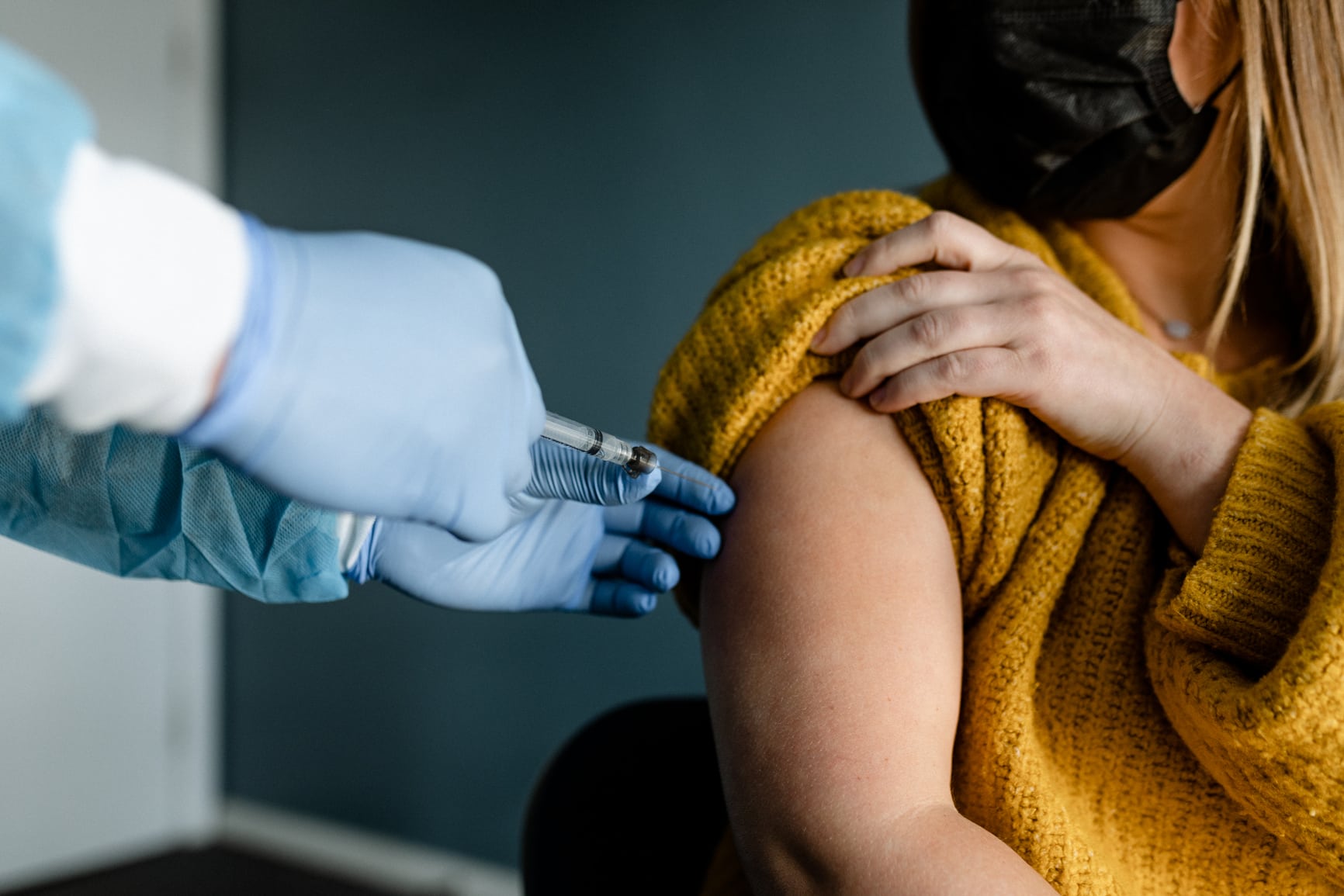
Given by injection under the skin once every 3 months (12 to 14 weeks).

Cervical cap with spermicide

  • Silicone (FemCap)
Soft silicone Cup that covers the cervix and is inserted before sex. May cause irritation, and allergic reactions, and increase the risk of an abnormal Pap test

Sponge with spermicide

  • Today sponge
Soft polyurethane sponge that is inserted before sex and kept in place for six hours after sex
Spermicide aloneMust be used every time that sex occurs. Not very reliable. May cause irritation, and allergic reactions, and increase the risk of STIs and UTIs

What are the side effects of contraceptives?

Hormonal contraceptives have been associated with several different side effects such as:

  • Acne
  • Appetite changes
  • Breast tenderness, enlargement or discharge
  • Changes to menstrual flow, bleeding or spotting between periods, painful or missed periods
  • Constipation or diarrhea
  • Gingivitis (inflammation of the gums)
  • Hair growth in unusual places
  • Mood changes
  • Nausea
  • Skin color changes (brown or black patches)
  • Stomach cramps or bloating
  • Weight gain or loss
  • Vaginal burning, discharge, irritation, itching, redness, or swelling
  • Vomiting.

Nonhormonal contraceptives may be associated with irritation, itching, redness, or discomfort during sex.

List of Contraceptives