





Dopaminergic antiparkinsonism agents
What are Dopaminergic antiparkinsonism agents?
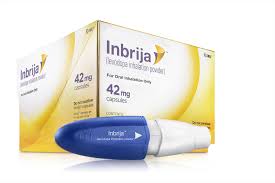
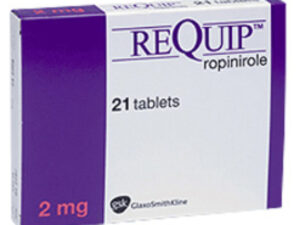
Dopaminergic antiparkinsonism agents aim to replace dopamine or prevent the degradation of dopamine. Antiparkinson drugs that aim to replace dopamine in the central nervous system, either release dopamine or mimic the action of dopamine. Drugs that replace dopamine are generally given with peripherally acting dopa carboxylase inhibitors, to prevent the metabolism of levodopa to dopamine peripherally. Dopamine receptor agonists bind to dopamine receptors and mimic the action of dopamine. Selective monoamine oxidase (MAO-B) inhibitors bind to the enzyme MAO-B and prevent dopamine from being broken down. Antiparkinson agents are used to treat Parkinson’s disease, which is a degenerative disorder of movement that occurs due to dopamine deficiency in the brain, particularly in the basal ganglia.
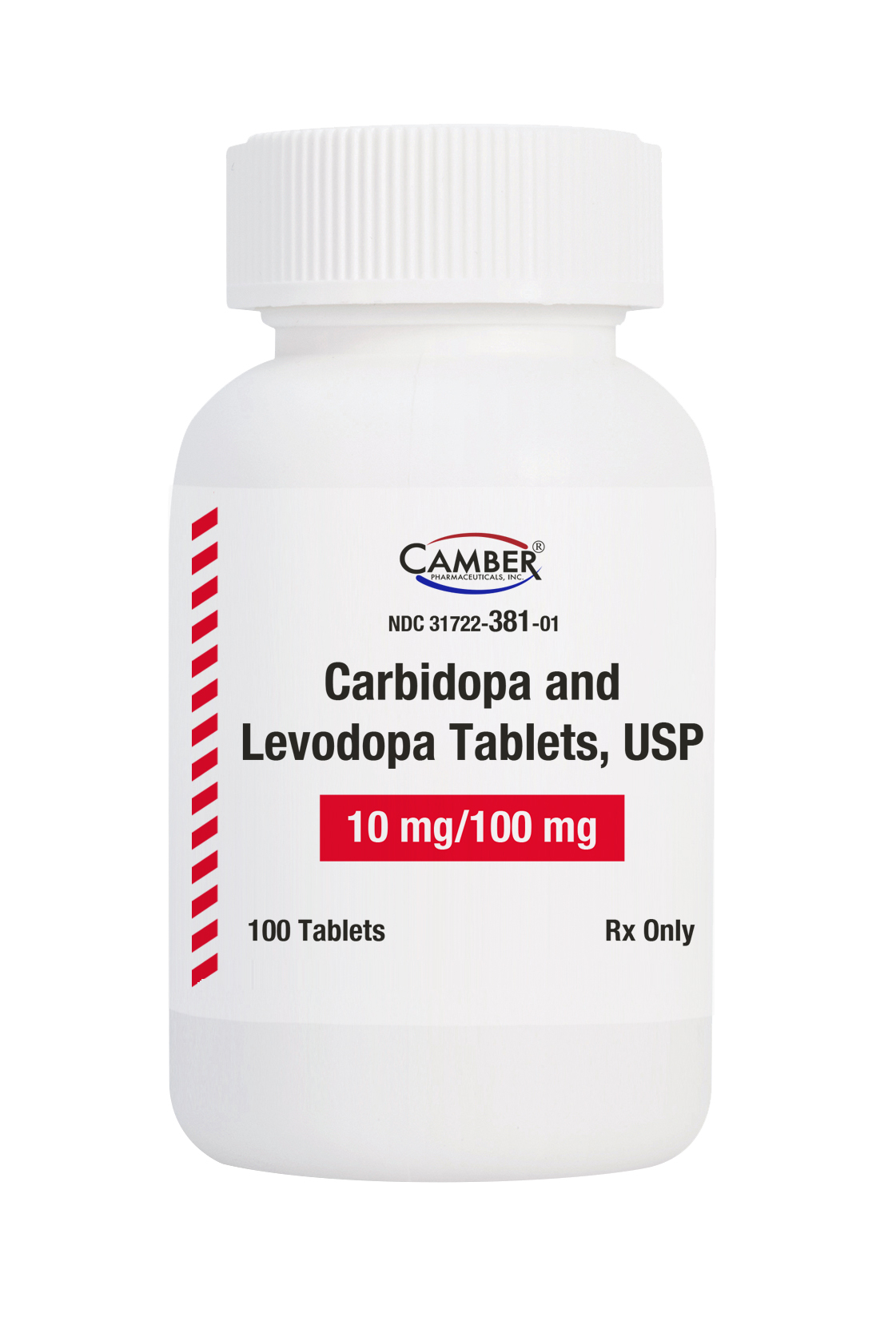
As the substantia nigra degenerates in Parkinson’s disease (PD), the nigrostriatal pathway is disrupted, reducing striatal dopamine and producing PD symptoms. Although dopamine does not readily cross the blood-brain barrier, its precursor, levodopa, does. Levodopa is absorbed in the small bowel and is rapidly catabolized by aromatic-L-amino-acid decarboxylase (AADC) and catechol-O-methyltransferase (COMT). Because gastric AADC and COMT degrade levodopa, the drug is given with inhibitors of AADC (carbidopa or benserazide), and inhibitors of COMT will also enter clinical use. Although the exact site of decarboxylation of exogenous levodopa to dopamine in the brain is unknown, most striatal AADC is located in nigrostriatal dopaminergic nerve terminals. Newly synthesized dopamine is stored in the terminals and then released, stimulating postsynaptic dopamine receptors and mediating the antiparkinsonian action of levodopa. Dopamine agonists act directly on postsynaptic dopamine receptors, thus obviating the need for metabolic conversion, storage, and release. How the actions of dopaminergic drugs produce side effects and how these side effects should be managed are discussed.