Group V antiarrhythmics
Drug classification is the process of grouping medications based on their chemical structure, mechanism of action, therapeutic use, or pharmacological effects.
Search drugs by :
- A D V E R T I S E M E N T

Boost your medical knowledge with our comprehensive Medical Quiz Bank – designed for pre-medical, medical, and postgraduate students.
Practice smarter, master exams faster, and stay ahead in your medical journey!
- A D V E R T I S E M E N T
General Information
What are Group V antiarrhythmics?
Group V antiarrhythmics: Agents which work by other mechanisms according to the Vaughan-Williams classification.
Class 5 antiarrhythmic drugs are a miscellaneous group of medications that do not belong to a traditional class of antiarrhythmics. These drugs have varied mechanisms of action and uses. The medications in this class are digoxin. Digoxin has positive inotropic and negative chronotropic activity.
List of Group V antiarrhythmics
| Drug Name | Avg. Rating | Reviews |
|---|---|---|
| adenosine systemic (Pro) Brand name: Adenocard | 7.5 | 38 reviews |
| digoxin systemic (Pro) Brand names: Digitek, Lanoxin | 5.8 | 17 reviews |

Class V antidysrhythmics (miscellaneous antiarrhythmics) include several drugs and each has its unique mechanism of action. Adenosine binds to A1 receptors and activates G-protein. The activated G-protein after a series of pathways inhibits calcium entry into the cell by deactivating L-type calcium channels.

List of Group V antiarrhythmics
Total Drugs № 100

Description :
Group V antiarrhythmics include drugs that don’t fit into the other Vaughan Williams classes. They act through varied mechanisms such as increasing vagal tone or inhibiting specific ion channels. They are used in both atrial and ventricular arrhythmias.
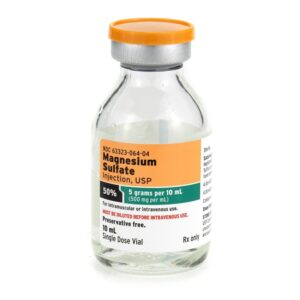
Examples: adenosine, digoxin, magnesium sulfate.
SEO meta description:
Group V antiarrhythmics are miscellaneous drugs like adenosine and digoxin, used for atrial and ventricular arrhythmias.