


Potassium-sparing diuretics
Other names: Potassium sparing diuretics
What are Potassium-sparing diuretics?
Potassium-sparing diuretics are medicines that increase diuresis (urination) without the loss of potassium. They are generally weak diuretics and work by interfering with the sodium-potassium exchange in the distal convoluted tubule of the kidneys or as an antagonist at the aldosterone receptor. Aldosterone promotes the retention of sodium and water, so if potassium-sparing diuretics are used to block this effect, more sodium and water can pass into the collecting ducts of the kidneys, increasing diuresis.
Because potassium-sparing diuretics do not promote the secretion of potassium during diuresis they do not cause hypokalemia (low potassium levels). However, there is a risk of hyperkalemia (high potassium levels) if they are used with other agents that also retain potassium, such as ACE inhibitors.
Potassium-sparing diuretics may be used alone or in conjunction with loop or thiazide diuretics.
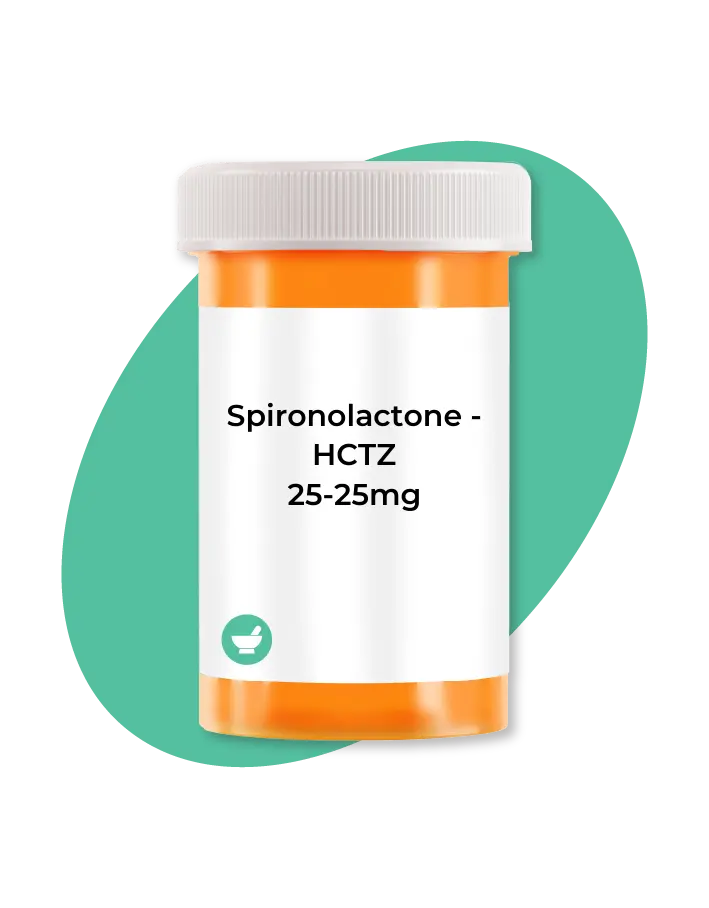
Is HCTZ potassium-sparing or wasting? HCTZ (hydrochlorothiazide) is potassium wasting. It is a thiazide-type diuretic and tends to lower potassium levels in the body.
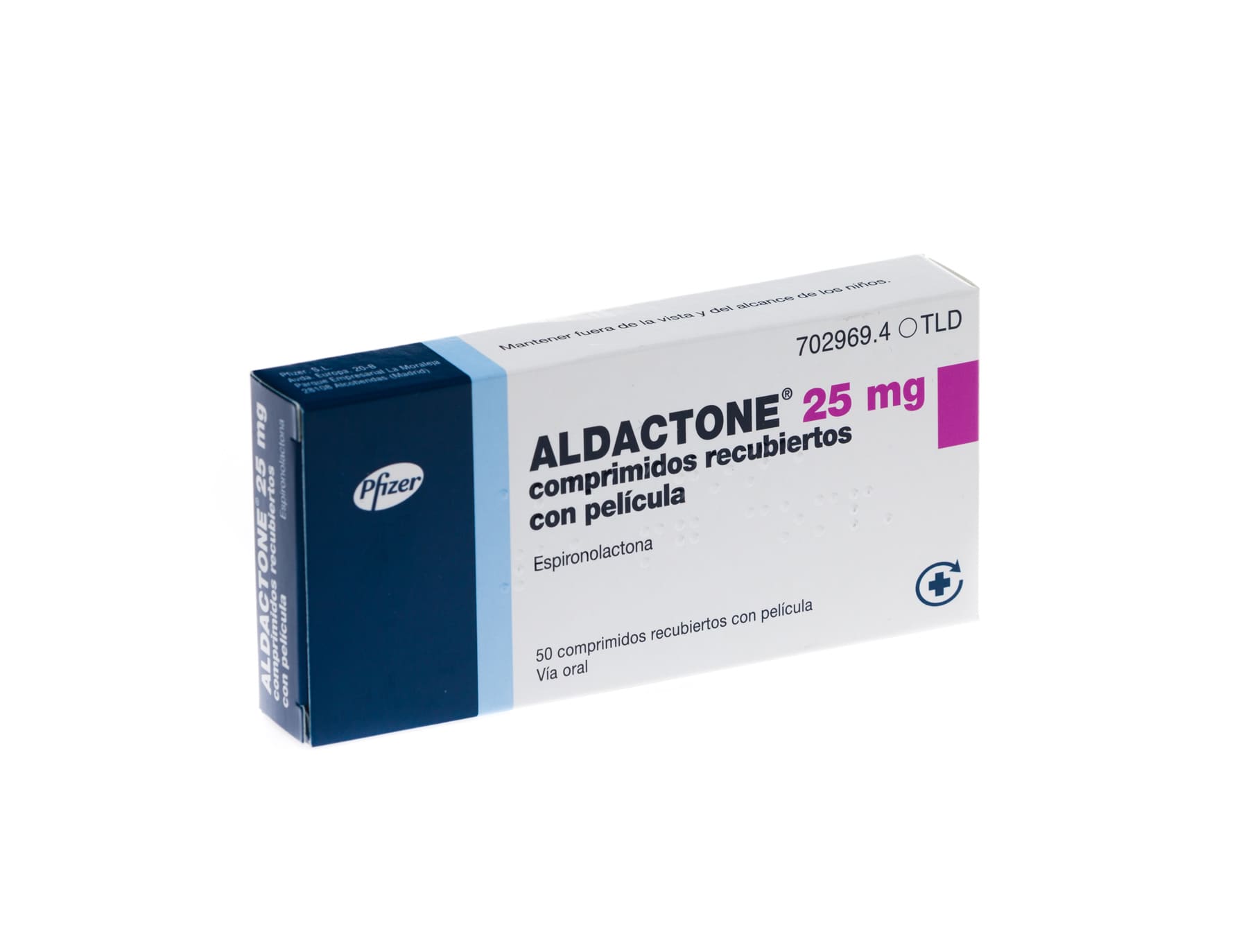
Spironolactone is a potassium-sparing diuretic (water pill). It prevents your body from absorbing too much salt and keeps your potassium levels from getting too low. This medicine is also used to treat or prevent hypokalemia (low potassium levels in the blood).
Potassium-sparing diuretics or antikaliuretics refer to drugs that cause diuresis without causing potassium loss in the urine. They are typically used as an adjunct in management of hypertension, cirrhosis, and congestive heart failure.
Prolonged administration of mannitol can lead to urinary losses of sodium and potassium, leading to volume-depletion, hypernatremia (as urinary loss of sodium is invariably less than water), and hypokalemia.