Selective phosphodiesterase-4 inhibitors 

What are Selective phosphodiesterase-4 inhibitors?

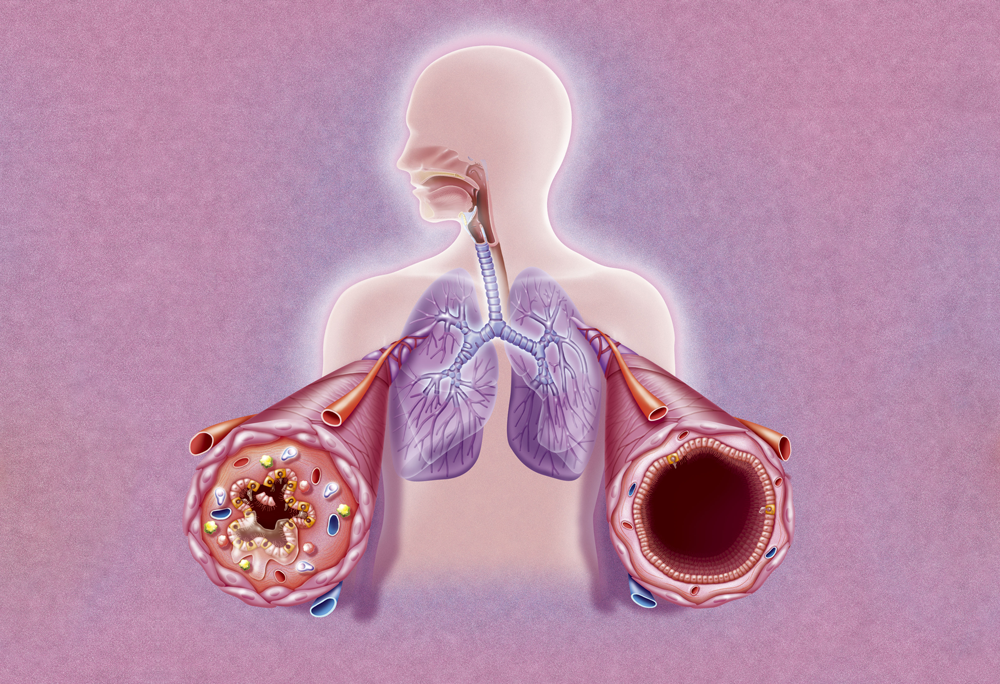
Selective phosphodiesterase-4 inhibitors increase cyclic adenosine-3′,5′-monophosphate (cAMP) levels, resulting in a broad spectrum of anti-inflammatory effects in almost all inflammatory cells. Selective phosphodiesterase-4 inhibitors are used in the treatment of severe Chronic Obstructive Pulmonary Disease (COPD) to reduce the risk of COPD exacerbations. They are not bronchodilators and therefore not indicated for the relief of acute bronchospasm.

A Phosphodiesterase-4 Inhibitor is a type of medication that has a wide range of anti-inflammatory effects, particularly significant in treating asthma. Despite showing therapeutic benefits, their use in asthma has been limited due to side effects like nausea and vomiting.

Roflumilast, apremilast, and crisaborole are approved for treating inflammatory airway diseases, psoriatic arthritis, and atopic dermatitis, respectively. However, the efficacy of these drugs is often accompanied by adverse reactions, including nausea, vomiting, and gastrointestinal disturbances.

There are several available PDE5 inhibitors: sildenafil, vardenafil, tadalafil, and avanafil, which are FDA approved; lodenafil, udenafil, and mirodenafil are the other non-FDA commercially available drugs.

What are some examples of common phosphodiesterase inhibitors? PDE5 inhibitors are the most common and include sildenafil, tadalafil, vardenafil, and avanafil. The most common PDE4 inhibitors are roflumilast, apremilast, and ibudilast. Some examples of PDE3 inhibitors are cilostazol and milrinone.

PDE-4 is an enzyme found in cells of the lungs, and PDE-4 inhibitors inhibit the degradation of intracellular cyclic adenosine monophosphate(cAMP) and increase cAMP levels in target cells, further causing bronchial muscle relaxation. Along with its effects on the lungs, it also decreases pro-inflammatory mediators.

List of Selective phosphodiesterase-4 inhibitors