

Topical anti-rosacea agents
What are Topical anti-rosacea agents?
Topical anti-rosacea agents are used for the treatment of inflammatory papules, pustules and erythema of rosacea.
The topical anti-rosacea agents exert their effect by being antibacterial, antiprotozoal, keratolytic, comedolytic or vasoconstrictors.
Some topical anti-rosacea agents therapeutic activity is due to a combination of these effects.
Rosacea is most often thought of as chronic blushing or flushing. However, it is a complex condition that can involve a wide range of symptoms. While the cause of rosacea is unknown, genetics, an overactive immune system, and environmental factors can all contribute to its development. Most skin researchers believe that rosacea is due to increased, unchecked inflammation. It affects about 15 million people worldwide. Both men and women seem to be equally affected.
Rosacea commonly develops between the ages of 30 and 50 and is often misdiagnosed because of how closely it can resemble other skin conditions such as acne, eczema, and allergic skin reactions. This presents a problem as the treatments for these conditions often make rosacea worse. Therefore, it is very important to seek correct medical advice and an accurate diagnosis from a board-certified dermatologist.
Types of Rosacea
Many people are unaware that there are four different subtypes of rosacea. These types may occur alone or in combination with one another.
The four subtypes are:
- Erythematotelangiectatic Rosacea
- Papulopustular (Acne) Rosacea
- Phymatous Rosacea
- Ocular Rosacea
Erythematotelangiectatic Rosacea
Erythematotelangiectatic rosacea (ETR) is the type most people are familiar with. It causes flushing and redness—usually on the cheeks, nose, chin, and forehead. In beginning stages, patients may notice just redness or visible blood vessels now and then; however, it can progress, leading to flareups that do not clear up at all. Some people also experience tingling or stinging, especially when applying certain skincare products. The skin of rosacea sufferers can be oily (hypersebaceous) or dry and flakey. It is imperative to use good skincare products to keep your skin barrier healthy and intact.
How to Care for Skin with ETR
A gentle cleanser like SkinCeuticals Gentle Cleanser for normal to dry skin or EltaMD Foaming Facial Cleanser for normal to oily skin is a great place to start. Skinbetter Mystro Active Balance Serum is a fantastic product for rosacea. It has a proprietary blend of plant-based adaptogens designed to enhance skin’s natural ability to adapt to stress and achieve balance. It also contains niacinamide—an anti-inflammatory ingredient known for helping rosacea.
Following this up with a suitable moisturizer is very important. SkinMedica Ultra Sheer or SkinCeuticals Phyto A+ Brightening Treatment are great choices for those with normal to oily skin. For those with dryer skin types, SkinMedica TNS Ceramide Cream is an excellent choice. It restores the skin’s moisture barrier and contains growth factors and ceramides, which have been shown to help with signs of rosacea. It is crucial to use an SPF regardless of skin condition, but particularly with rosacea. Chemical sunscreens can irritate the skin. ColoreScience Sunforgettable Total Protection Face Shield Flex or Sunbetter Advanced Mineral Protection Tone Smart Lotion are both all-mineral water/sweat resistant, broad-spectrum SPFs perfect for rosacea-prone skin, and they’re tinted!
How to Care for Skin with ETR
A gentle cleanser like SkinCeuticals Gentle Cleanser for normal to dry skin or EltaMD Foaming Facial Cleanser for normal to oily skin is a great place to start. Skinbetter Mystro Active Balance Serum is a fantastic product for rosacea. It has a proprietary blend of plant-based adaptogens designed to enhance skin’s natural ability to adapt to stress and achieve balance. It also contains niacinamide—an anti-inflammatory ingredient known for helping rosacea.
Following this up with a suitable moisturizer is very important. SkinMedica Ultra Sheer or SkinCeuticals Phyto A+ Brightening Treatment are great choices for those with normal to oily skin. For those with dryer skin types, SkinMedica TNS Ceramide Cream is an excellent choice. It restores the skin’s moisture barrier and contains growth factors and ceramides, which have been shown to help with signs of rosacea. It is crucial to use an SPF regardless of skin condition, but particularly with rosacea. Chemical sunscreens can irritate the skin. ColoreScience Sunforgettable Total Protection Face Shield Flex or Sunbetter Advanced Mineral Protection Tone Smart Lotion are both all-mineral water/sweat resistant, broad-spectrum SPFs perfect for rosacea-prone skin, and they’re tinted!
Rosacea Treatment
A popular procedure for ETR is intense pulsed light (IPL). IPL is a treatment that can effectively destroy tiny blood vessels using high intensity light source to eliminate unwanted redness. Another effective treat is the DermaV laser. DermaV works by focusing on the blood vessels responsible for these redness. It safely seals off the unwanted blood vessels without affecting the surrounding skin, reducing redness and improving your complexion for a clearer, more balanced look.
Papulopustular (Acne) Rosacea
Along with all the symptoms of ETR, papulopustular rosacea also comes with acne-like breakouts. These can take the form of inflamed painful nodules, papules, and pustules. While traditional acne usually begins during adolescence, papulopustular rosacea is more common in adults. It is sometimes difficult to tell the difference between acne and rosacea. Comedones (black heads and white heads) are more commonly associated with acne. An acne blemish typically takes 6 to 8 weeks to resolve while a rosacea blemish will typically resolve in 1 to 2 weeks.
How to Care for Skin with Acne Rosacea
SkinCeuticals Gentle Cleanser for normal to dry skin and SkinMedica Facial Cleanser for normal to oily skin are both appropriate choices. Following this up with Skinceuticals Phyto A+ Brightening Treatment is a gentle, yet effective choice for acne rosacea. It is a lightweight moisturizer with a gel-cream texture that has key ingredients known to fight rosacea and acne. It is formulated with 3% azelaic acid, 2% alpha arbutin, and a 5.75% phyto botanical blend to target key factors of surface imperfections and dull skin. This noncomedogenic moisturizer and skin brightening treatment visibly relieves redness due to dryness and reduces excess oil. Plus, it’s suitable for sensitive skin.
For oily skin types, this product may be the only moisturizer you need. For those with dryer skin, another moisturizer such as Skinbetter Trio Luxe is an excellent option. And of course, using a high-quality, noncomedogenic SPF is extremely important. We love the tinted EltaMD UV Physical.
What Triggers Rosacea?
Many factors can trigger a flare of rosacea. Some of the most common include:
- Ultraviolet light exposure
- Alcohol – in any form
- Hot, spicy foods
- Highly processed foods
- Tobacco products
- Extremely hot and cold environments
- Stress and anxiety
- Poor sleep
Prescription Medications
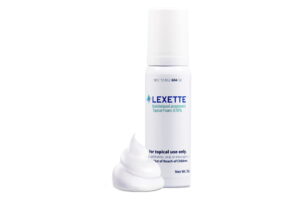
Despite excellent skin care and lifestyle modifications, many people will continue to experience the signs and symptoms of rosacea. When this is the case, dermatologists often prescribe medications. Oral antibiotics like doxycycline are often effective. Topical medications include ivermectin, azelaic acid, metronidazole, and benzoyl peroxide.