


Viral vaccines 

What are Viral vaccines?

Viral vaccines contain either inactivated viruses or attenuated (alive but not capable of causing disease) viruses.

Inactivated or killed viral vaccines contain viruses, which have lost their ability to replicate and in order for it to bring about a response it contains more antigen than live vaccines. Attenuated or live vaccines contain the live form of the virus. These viruses are not pathogenic but are able to induce an immune response.

Types of currently licensed antiviral vaccines. 1. Live viral vaccines. Live virus vaccines are prepared from viral strains that have been attenuated, but retain their ability to replicate in the human host and thus their ability to induce protective immune responses.

Subunit, recombinant, polysaccharide, and conjugate vaccines use specific pieces of the germ—like its protein, sugar, or capsid (a casing around the germ). Because these vaccines use only specific pieces of the germ, they give a very strong immune response that’s targeted to key parts of the germ.

Virus vaccines that use a form of the virus that has been inactivated or weakened so that it does not cause disease but still triggers an immune response.

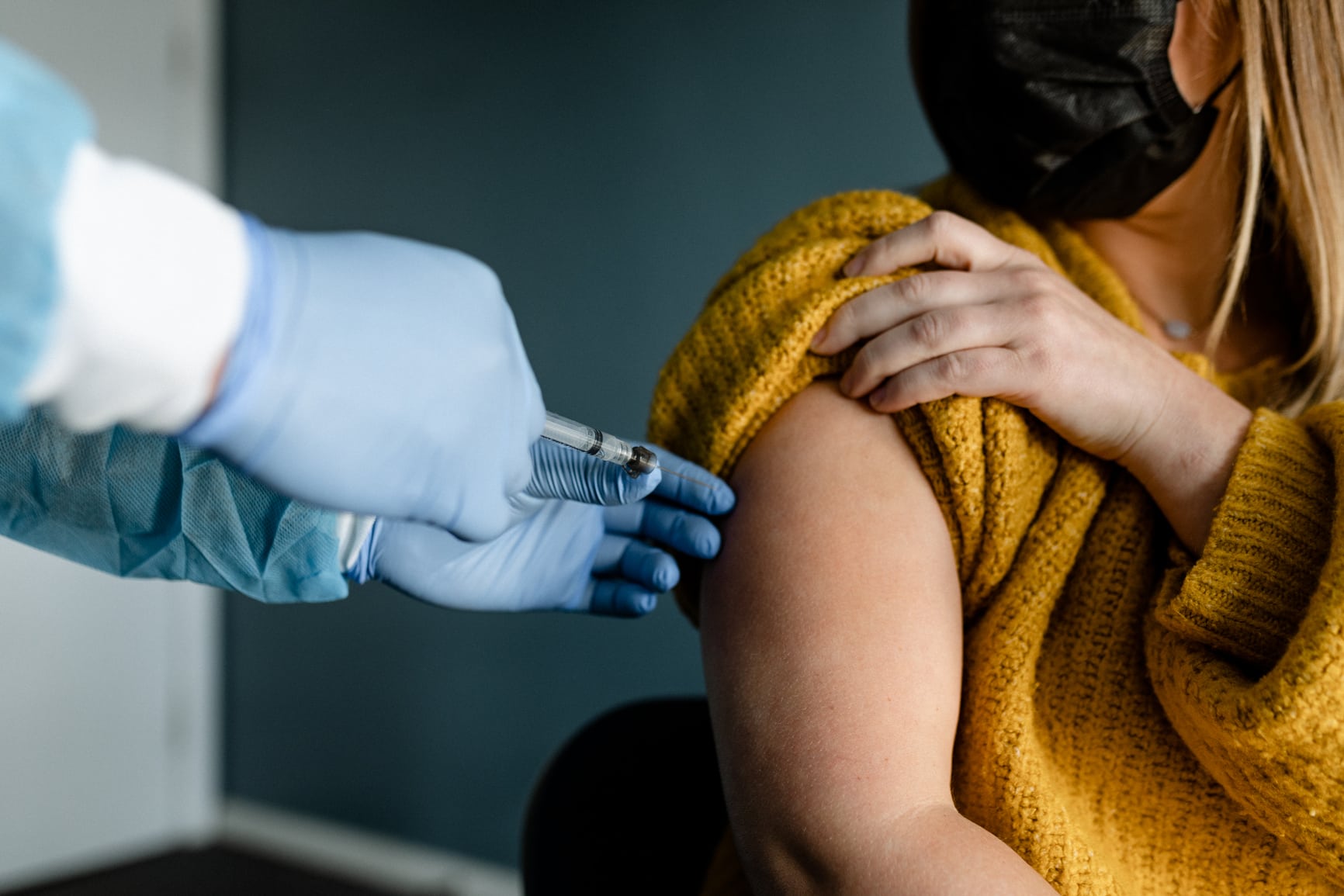
Viral vaccines prevent or modify the severity of illness in the individual and interrupt or reduce the transmission of the pathogens to other susceptible people. Through these mechanisms, vaccines against smallpox, polio, measles and hepatitis B have had an enormous impact on world health over the last 50 years.

List of Viral vaccines

Description :

Viral vaccines are biological preparations that stimulate the immune system to protect against viral infections. They can be live-attenuated, inactivated, or recombinant, and are essential in preventing diseases like measles, influenza, hepatitis, and COVID-19.

SEO Meta Description:
Learn about viral vaccines: safe and effective preparations that prevent infections like measles, influenza, hepatitis, and COVID-19 by stimulating immune protection.