

Vitamins 

What are Vitamins?

Vitamins are substances that are required in very small amounts, for healthy growth and development. They occur naturally in certain foods but are not synthesized by humans and therefore it is essential to include it in the diet. Vitamins are either water soluble or fat soluble. Inadequate intake of any particular vitamin in the diet causes specific vitamin deficiency disease. Vitamin supplements are taken to correct inadequate intake in diet and to treat the deficiency.

There are 13 essential vitamins — vitamins A, C, D, E, K, and the B vitamins (thiamine, riboflavin, niacin, pantothenic acid, biotin, B6, B12, and folate). Vitamins have different jobs to help keep the body working properly.

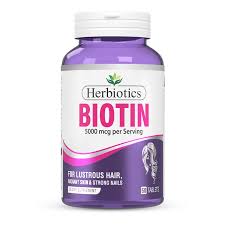
The known vitamins are vitamins A, C, D, E, and K and the B vitamins: thiamin (B1), riboflavin (B2), niacin (B3), pantothenic acid (B5), pyridoxine (B6), cobalamin (B12), biotin, and folate/folic acid.

Vitamins are divided into two groups: water-soluble (B-complex vitamins and C. vitamins) and fat-soluble vitamins (A, D, E and K). Unlike water-soluble vitamins that need regular replacement in the body, fat-soluble vitamins are stored in the liver and fatty tissues, and are.

Omega 3 fish oil, Vitamin D, and Magnesium are three essential vitamins that can improve overall health and well-being.

Vitamins and minerals are essential for bodily functions such as helping to fight infection, wound healing, making our bones strong and regulating hormones. Some vitamins and minerals can cause toxicity if consumed in large amounts.

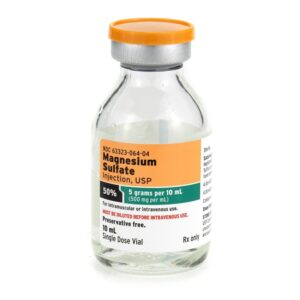
They include calcium, phosphorus, magnesium, sodium, potassium, chloride and sulfur. You only need small amounts of trace minerals. They include iron, manganese, copper, iodine, zinc, cobalt, fluoride and selenium. Most people get the amount of minerals they need by eating a wide variety of foods.

List of Vitamins

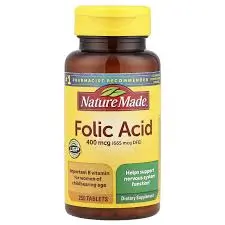
Folic acid

Folic acid

Niacin

Niacin