
Drug Class: Vitamins
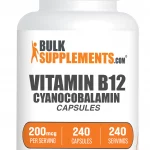
Active Ingredient: Cyanocobalamin (Vitamin B12)
Generic Name: Cyanocobalamin
Brand Name: Nascobal® (nasal), Rubramin® (injectable), and multiple international generic brands
Company: Manufactured globally by multiple pharmaceutical and nutraceutical companies
Dosage Form:
Tablet, injection, nasal spray, sublingual tablet
Drug Form: Tablet
Tablet Color: White
Tablet Shape: Round
Scored Shape: Not scored
Tablet Description: Cyanocobalamin is a synthetic form of vitamin B12 containing a cobalt ion within a corrin ring structure. Molecular formula: C₆₃H₈₈CoN₁₄O₁₄P. Pharmacological description: Cyanocobalamin is converted in the body to active coenzyme forms (methylcobalamin and adenosylcobalamin), essential for DNA synthesis, red blood cell formation, and neurologic function. It is used to treat and prevent vitamin B12 deficiency, including pernicious anemia.
What is oral cyanocobalamin?
Cyanocobalamin, also known as Vitamin B12, is a form of vitamin B found in foods. Vitamin B12 is important for growth, cell reproduction and energy, healthy red blood cell formation and to keep your nerve cells healthy.
Cyanocobalamin is likely effective in alternative medicine as an aid in treating or preventing low levels of vitamin B12 in your body. Low levels of Vitamin B12 can be caused by an autoimmune disease, pernicious anemia, certain types of surgery, stomach disorders, or malnutrition.
Cyanocobalamin has been used in alternative medicine as a possibly effective aid in treating canker sores, and may help lower homocysteine levels in blood (a risk factor for heart disease).
Cyanocobalamin has also been used to treat memory and thinking problems, Alzheimer’s disease, reduce falls, help with bone health, cataracts, and sleep disorders. However, research has shown that cyanocobalamin may not be effective in treating these conditions.
Cyanocobalamin may also be used for purposes not listed in this medication guide.
Oral cyanocobalamin side effects
Get emergency medical help if you have signs of an allergic reaction: hives, difficult breathing, swelling of your face, lips, tongue, or throat.
Less serious side effects may be more likely, and you may have none at all.
This is not a complete list of side effects and others may occur.
Warnings
Follow all directions on the product label and package. Tell each of your healthcare providers about all your medical conditions, allergies, and all medicines you use.
Before taking this medicine
You should not use cyanocobalamin if you are allergic to vitamin B12, cobalamin, or cobalt.
Ask a doctor, pharmacist, or other healthcare provider if it is safe for you to use this product if you have ever had:
- any condition that makes it hard for your body to absorb nutrients from food (malabsorption);
- cancer; or
- if you use a blood thinner (such as warfarin).
Ask a doctor before using cyanocobalamin if you are pregnant or breastfeeding.
Do not give cyanocobalamin to a child without medical advice.
How should I use oral cyanocobalamin?
When considering the use of cyanocobalamin, seek the advice of your doctor. You may also consider consulting a practitioner who is trained in the use of herbal/health supplements.
If you choose to use cyanocobalamin, use it as directed on the package or as directed by your doctor, pharmacist, or other healthcare provider. Do not use more of this product than is recommended on the label.
Do not use different forms of cyanocobalamin (pills, liquids, and others) at the same time or you could have an overdose.
Carefully follow instructions about whether to take your cyanocobalamin with or without food.
Swallow the extended-release tablet whole and do not crush, chew, or break it.
You must chew the chewable tablet thoroughly before you swallow it.
Measure cyanocobalamin liquid with the supplied measuring device (not a kitchen spoon).
Do not swallow a lozenge, disintegrating tablet, or sublingual tablet whole. Allow it to dissolve in your mouth without chewing. sublingual tablet or liquid should be placed under your tongue.
If you need surgery, tell the surgeon ahead of time that you are using cyanocobalamin. You may need to stop using cyanocobalamin for a short time.
Cyanocobalamin can affect the results of certain lab tests. Tell any doctor who treats you that you are using cyanocobalamin.
The recommended daily dose of cyanocobalamin changes with age. Follow your healthcare provider’s instructions. You may also consult the Office of Dietary Supplements of the NIH, or the USDA Nutrient Database of recommended daily allowances for more information.
Call your doctor if the condition you are treating with cyanocobalamin does not improve, or if it gets worse while using this product.
Store at room temperature away from moisture, heat, and light.
Store the cyanocobalamin liquid in the refrigerator after opening for best results.
Cyanocobalamin dosing information
Usual Adult Dose for Pernicious Anemia:
Initial dose: 100 mcg intramuscularly or deep subcutaneous once a day for 6 to 7 days
If clinical improvement and reticulocyte response is seen from the above dosing:
-100 mcg every other day for 7 doses, then:
-100 mcg every 3 to 4 days for 2 to 3 weeks, then:
Maintenance dose: 100 to 1000 mcg monthly
Duration of therapy: Life
Comments:
-Administer concomitant folic acid if needed.
-Chronic treatment should be done with an oral preparation in patients with normal intestinal absorption.
Usual Adult Dose for B12 Nutritional Deficiency:
25 to 2000 mcg orally daily
Usual Adult Dose for Schilling Test:
1000 mcg intramuscularly is the flushing dose
Usual Pediatric Dose for B12 Nutritional Deficiency:
0.5 to 3 mcg daily
What happens if I miss a dose?
Use cyanocobalamin as soon as you can, but skip the missed dose if it is almost time for your next dose. Do not use two doses at one time.
What happens if I overdose?
Seek emergency medical attention or call the Poison Help line .
What should I avoid while using oral cyanocobalamin?
Avoid drinking large amounts of alcohol. Heavy drinking can make it harder for your body to absorb cyanocobalamin.
What other drugs will affect oral cyanocobalamin?
Do not use cyanocobalamin without medical advice if you are using any of the following medications:
- vitamin C supplements;
- folic acid;
- potassium supplements;
- oral diabetes medicine that contains metformin; or
- medicines that reduce stomach acid, such as cimetidine, omeprazole, lansoprazole, Nexium, Prevacid, Prilosec, Zantac, and others.