Malignancy photosensitizers

What are Malignancy Photosensitizers??
Malignancy photosensitizers are diagnostic or treatment agents that are used in conjunction with a specific light source to detect or treat certain cancers in the body, for example, the diagnosis of bladder cancer, the treatment of esophageal cancer.
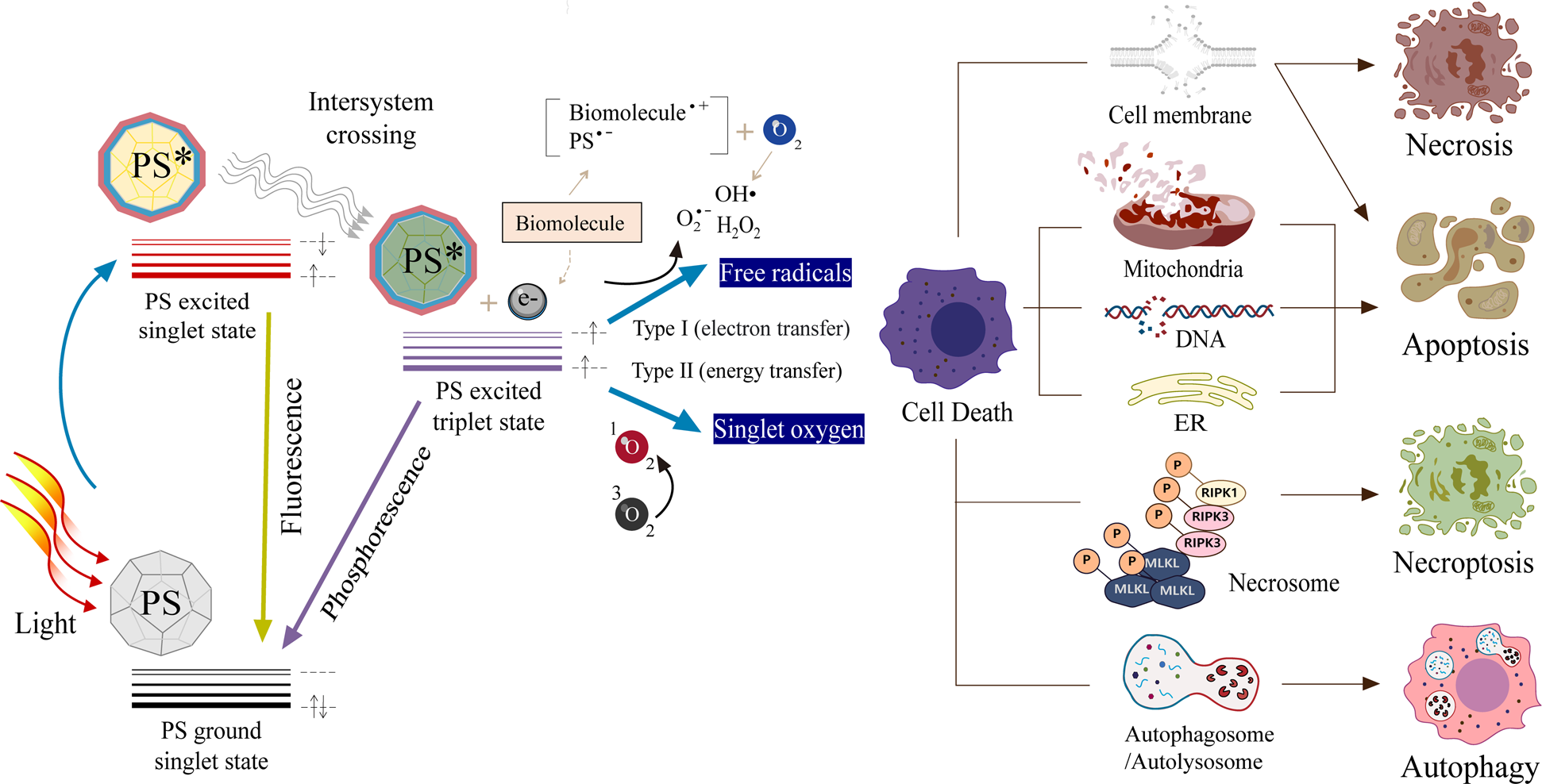
The agent is typically taken up by cells where it is administered (for example, hexaminolevulinate is administered directly into the bladder and taken up by epithelial cells in the bladder wall), and then either converted into photoactive (light-sensitive) compounds or activated by light. These light-sensitive compounds or the actual agent accumulate preferentially in malignant (cancerous) cells. Exposure to light produces free radicals, specifically reactive oxygen species (ROS) that result in cytosis (cell death).
Each agent must be used in conjunction with a specific light detector or a light source, for example, hexaminolevulinate must be used in combination with the Karl-Storz Photodynamic Diagnostic D-Light C (PDD) System (white and blue light). If hexaminolevulinate is not used, fluorescent images will not be present. Conversely, the D-Light C PDD device on blue light is not a stand-alone product.
What are Malignancy Photosensitizers Used For?
The specific use of each agent varies. For example:
- Hexaminolevulinate: Diagnosis of bladder cancer, including carcinoma in situ (CIS)
- Porfimer: Treatment of Barrett esophagus dysplasia, endobronchial cancer, or esophageal cancer
- Aminolevulinic acid (topical): Treatment of actinic keratoses and may be used off-label for other indications.
What are the Side Effects of Malignancy Photosensitizers?
Side effects depend on the agent being used and if it is used inside the body or just applied to the skin. Side effects, if any, tend to be transient.
Please refer to the prescribing data for each agent for a list of side effects.
How do Malignancy Photosensitizers Work?
Each agent has a specific way of working. For example, hexaminolevulinate is a porphyrin precursor, which means it can be converted into photoactive intermediate protoporphyrin IX (PpIX) and other photoactive porphyrins (PAPs) once inside the epithelial cells. A doctor then performs a cystoscopy, first using white light from the D-Light C PDD device, then repeats it using the blue light source. Fluorescence from tumor tissue appears bright red and demarcated, allowing the diagnosis of bladder cancer.
Porfimer’s action is dependent on light and oxygen. Following administration, the drug accumulates in malignant (neoplastic) cells. Exposure of the drug to a laser light source >630nm in wavelength leads to the production of free radicals. It is these free radicals as well as the release of thromboxane A2 that destroys the cancerous tissue and inhibits blood supply to the cancerous area.
Aminolevulinic acid is converted into protoporphyrin IX (PpIX) inside cancerous and precancerous cells. When exposed to light source of an appropriate wavelength and energy (narrow-band red light for the gel and blue light for the solution), a photodynamic reaction occurs which results in damage and death to the cells where the porphyrin has accumulated. Cancerous cells exhibit higher rates of uptake of aminolevulinic acid compared to normal cells.
Photosensitizers that are activated by longer wavelengths of light, such as red and far-red, can treat sites deeper within the body since the penetration of red light into tissues is higher and there is less skin photosensitivity in this region of the spectrum.
List of Malignancy Photosensitizers
Abacavir
Abacavir and Lamivudine Tablets
Abacavir, dolutegravir, and lamivudine
Abacavir, lamivudine, and zidovudine
Abaloparatide
Abametapir (Topical application)
Abatacept
Abatuss DMX

Abavite
Abbokinase (Intravenous)
Abciximab (Intravenous)
Abecma
Abecma
Abelcet
Abemaciclib
Abilify
Abilify
Abilify
Abilify (Intramuscular)
Abilify Asimtufii
Abilify Asimtufii
Abilify Asimtufii (injection)
Abilify Discmelt (Oral)
Abilify Maintena
Abilify Maintena
Abilify Maintena Prefilled Syringe (injection)
Abilify Mycite (Oral)
Abilify MyCite Starter Kit (oral with sensor)
Abiraterone
Abiraterone
Abiraterone Acetate
Accidental overdose of medicine
Acetaminophen
Acetaminophen and Hydrocodone
Acetazolamide
Acetylcysteine
Actemra
Acyclovir
Adalimumab
Adderall
Advair Diskus
Advil
Afinitor
Agamree
Agamree
Aimovig
Ajovy
Albuterol Inhalation
Aldactone
Alecensa
Alecensa
Alendronate
Alfuzosin
Alprazolam
Alprolix
Alunbrig
Amantadine
Ambien
Ambroxol Hydrochloride
Amitriptyline
Amoxicillin and Clavulanate
AndroGel
Anti-inflammatory medicines (NSAIDs)
Antibiotics
Antidepressants
Antihistamines
Apixaban
Aptiom
Arimidex
Aromasin
Atarax
Atenolol
Ativan
Atorvastatin
Aubagio
Augmentin
Austedo
Auvelity
Auvi-Q
Avonex
Azathioprine
Azelastine
Azilect
Azithromycin
Azulfidine
Bacitracin topical
Baclofen
Bactrim
Bactroban
Balsalazide
Banzel
Baqsimi
Basaglar
Bavencio
Belsomra
Benadryl