Monoamine oxidase inhibitors 

Other names: MAOIs

What are Monoamine oxidase inhibitors?

Monoamine oxidase inhibitors (also called MAO inhibitors or MAOIs) block the actions of monoamine oxidase enzymes.

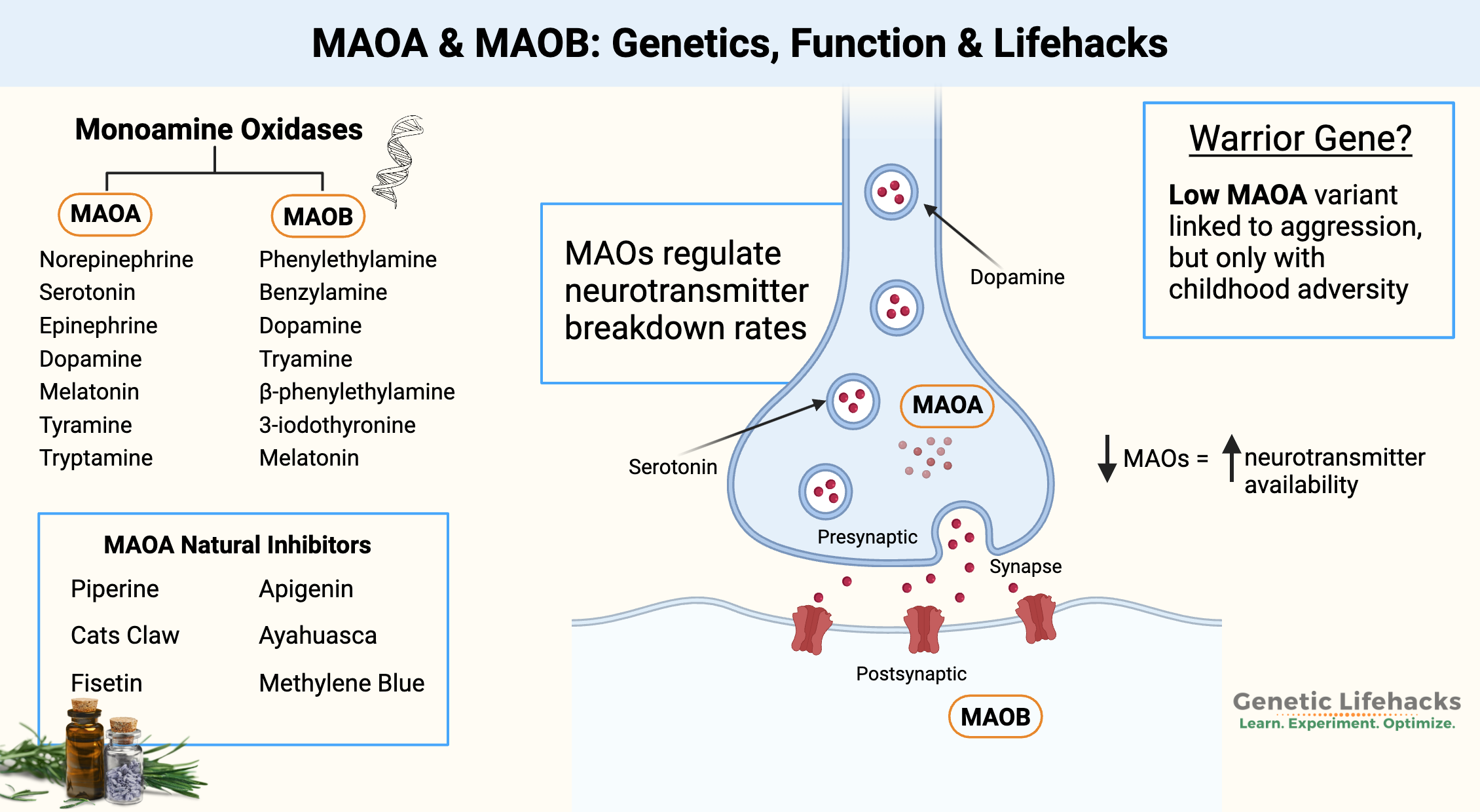
Monoamine oxidase enzymes are responsible for breaking down neurotransmitters such as dopamine, norepinephrine, and serotonin in the brain. Historically, experts have associated low levels of these three neurotransmitters with depression, although this may not be the cause of depression. MAOIs increase the concentration of these three neurotransmitters by blocking the effects of monoamine oxidase enzymes.

MAOIs are typically only used when other antidepressants have proven ineffective, because they have a higher risk of drug interactions than standard antidepressants and can also interact with certain types of food such as aged cheeses and cured meats. They also tend to have more side effects than standard antidepressants and may cause a withdrawal syndrome on discontinuation.

Monoamine oxidase (MAO) is an enzyme involved in the degradation process for various monoamines released by neurons and glia cells, including DA, serotonin and norepinephrine (NE).

MAOIs approved to treat depression
  • Isocarboxazid (Marplan)
  • Phenelzine (Nardil)
  • Selegiline (Emsam)
  • Tranylcypromine (Parnate)

Moyamoya disease is a rare blood vessel disorder in which the carotid artery in the skull becomes blocked or narrowed. The carotid artery is a major artery that brings blood to the brain. When it’s blocked, blood flow to the brain is reduced.

What are Monoamine Oxidase Inhibitors used for?

MAOIs may be used to treat the symptoms of depression, such as sadness, anxiety, or worry, that have not responded to other antidepressants. They should not be used to treat depression associated with bipolar disorder because they may precipitate manic symptoms.

There are some other drugs that also inhibit monoamine oxidase enzymes (in addition to having other properties), but are not used for the treatment of depression. These drugs should not be taken within 14 days of another MAOI nor with food or beverages that have a high tyramine content. Some resources may not list these drugs as MAOIs even though they inhibit monoamine oxidase enzymes. Examples include:

  • Linezolid (Zyvox): an antibiotic used to treat certain bacterial infections that are resistant to other antibiotics
  • Methylene blue (Provayblue): a potent MAOI that is used to treat drug-induced methemoglobinemia(a condition where an inefficient form of hemoglobin [methemoglobin] is present in large quantities in the blood)
  • Procarbazine (Matulane): Used in addition to other medications to treat Hodgkin’s disease
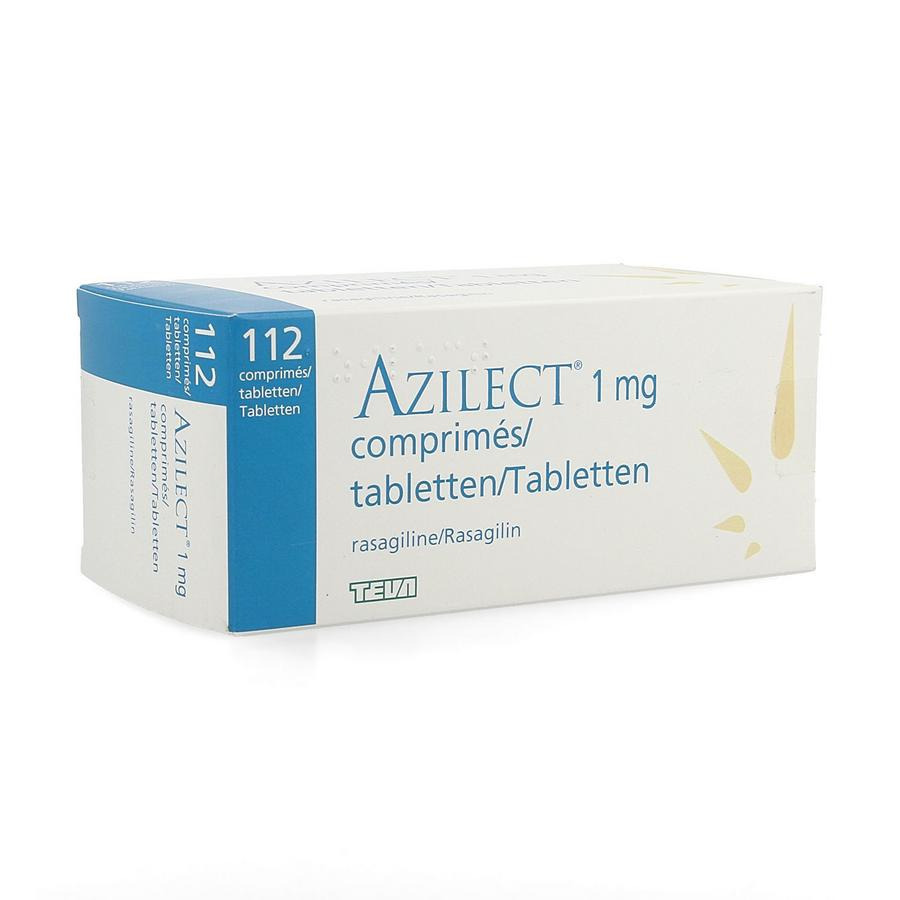
  • Rasagiline (Azilect): Used to treat symptoms of Parkinson’s disease
  • Selegiline (Eldepryl, Zelapar): May be used for the treatment of Parkinson’s disease in addition to other medications.

What are the differences between Monoamine Oxidase Inhibitors?

All three MAOIs (isocarboxazid, phenelzine and tranylcypromine), available in the U.S. and used for the treatment of depression, are irreversible inhibitors of the enzyme monoamine oxidase. Irreversible means that the body must regenerate new monoamine oxidase enzymes to resume previous levels of enzymatic activity. This can take weeks, which means that the effects of MAOIs persist long after the drugs have been cleared from the body.

Phenelzine may be more likely to cause sedation and weight gain than isocarboxazid or tranylcypromine.

Generic nameBrand name examples
isocarboxazidMarplan
phenelzineNardil
tranylcypromineParnate

β-Carboline alkaloids such as harmine, harman(e), and norharman(e) are MAO inhibitors present in many plant materials, including foodstuffs, medicinal plants, and intoxicants, notably in tobacco (Nicotiana spp.) and in Banisteriopsis caapi, a vine used in the Amazonian ayahuasca brew.

Mutations in the MAOA gene cause monoamine oxidase A deficiency. This condition affects males almost exclusively and is characterized by mild intellectual disability and behavioral problems, including aggressive and violent outbursts. In some cases, particular foods seem to worsen symptoms of the condition.

Are Monoamine Oxidase Inhibitors safe?

When taken at the recommended dosage, MAOIs are considered safe. However, they are potentially fatal in overdose and have also been associated with a few serious, potentially fatal, side effects such as:

  • Very severe drug interactions. Since the effects of MAOIs persist for several weeks after the last dose is taken, at least a 14-day washout period is required before starting any other type of antidepressant or medicine that also increases levels of serotonin or other chemical neurotransmitters. Because of this, they are not usually given with any booster treatment, such as an additional antidepressant or antipsychotic.
  • Very severe food interactions. Extremely high blood pressure, which could lead to a fatal stroke, may result if foods high in tyramine such as aged cheeses, fermented meats, Fava or broad beans, beer, marmite, or soy sauce, are consumed while taking MAOIs
  • An increase in suicidal thoughts and behaviors, particularly in children and young adults under the age of 25 years. This is most likely to occur when starting therapy
  • Serotonin syndrome, usually when MAOIs are taken in conjunction with other medicines or supplements that also increase serotonin, or when taken at high dosages. Symptoms include confusion, restlessness, muscle jerking, and excessive sweating
  • Rarely, rapid but transient increases in blood pressure within 30 minutes to two hours of MAOI ingestion.

MAOIs should not be given to people with heart disease or high blood pressure, or to people with pheochromocytoma. They should be discontinued 10 days prior to elective surgery.

What are the side effects of Monoamine Oxidase Inhibitors?

One of the more common side effects experienced when initiating treatment with MAOIs is low blood pressure when moving from a sitting to a standing position (called orthostatic hypotension). In most people this can be managed by slowly increasing the dosage of the medication, giving split doses, and increasing fluid intake.

Other common side effects when starting therapy include:

  • Dizziness
  • Drowsiness
  • Insomnia
  • Nausea.

Insomnia may be helped by not giving doses too late in the evening.

Side effects that tend to occur with regular, long-term therapy include:

  • Edema (fluid retention)
  • Muscle pains
  • Myoclonus (spasmodic, jerky, muscle contractions)
  • Paresthesias (abnormal sensations or prickling in the nerves)
  • Sexual dysfunction
  • Weight gain.

List of Monoamine oxidase inhibitors


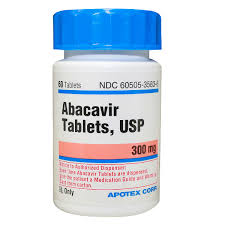
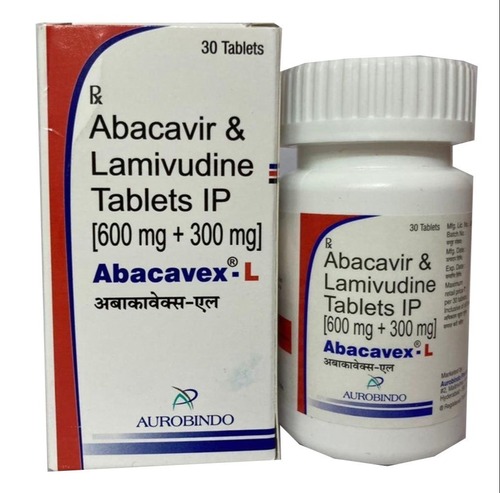
Abacavir

Abacavir

Abatacept

Abatacept

Abavite

Abavite

Abecma

Abecma

Abecma

Abecma

Abelcet

Abelcet

Abilify

Abilify

Abilify

Abilify

Abilify

Abilify

Actemra

Actemra

Acyclovir

Acyclovir

Adderall

Adderall

Advil

Advil

Afinitor

Afinitor

Agamree

Agamree

Agamree

Agamree

Aimovig

Aimovig

Ajovy

Ajovy

Aldactone

Aldactone

Alecensa

Alecensa

Alecensa

Alecensa

Alfuzosin

Alfuzosin

Alprolix

Alprolix

Alunbrig

Alunbrig

Ambien

Ambien

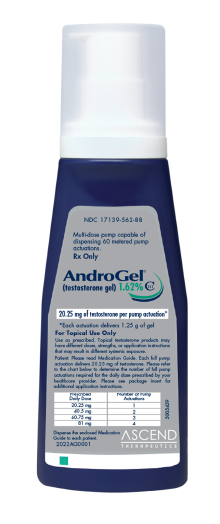
AndroGel

AndroGel

Apixaban

Apixaban

Aptiom

Aptiom

Arimidex

Arimidex

Aromasin

Aromasin

Atarax

Atarax

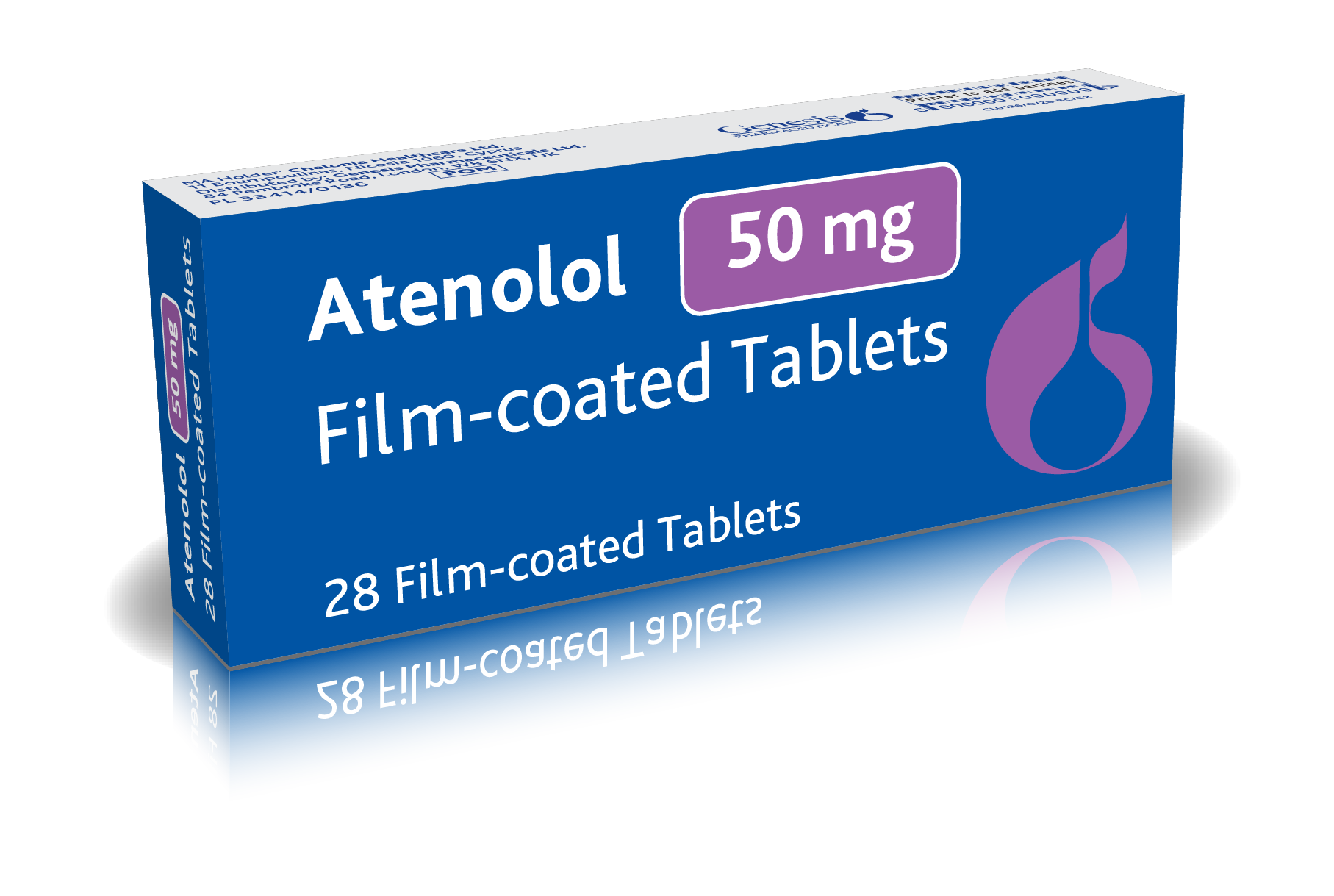
Atenolol

Atenolol

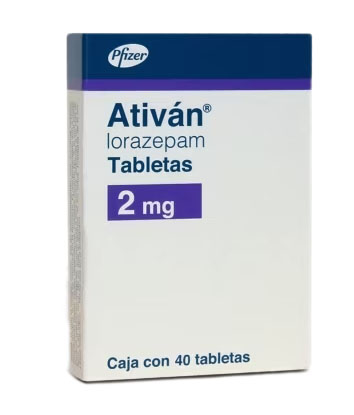
Ativan

Ativan

Aubagio

Aubagio

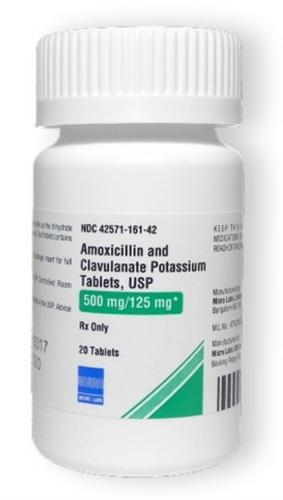
Augmentin

Augmentin

Austedo

Austedo

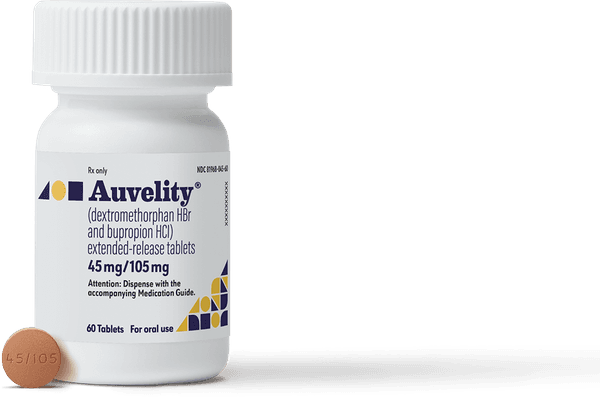
Auvelity

Auvelity

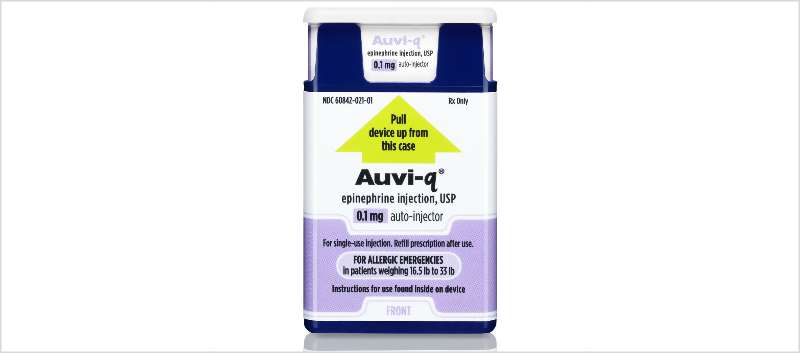
Auvi-Q

Auvi-Q

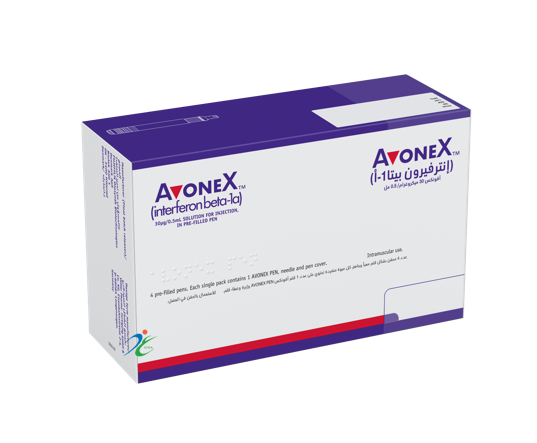
Avonex

Avonex

Azelastine

Azelastine

Azilect

Azilect

Azulfidine

Azulfidine

Baclofen

Baclofen

Bactrim

Bactrim

Bactroban

Bactroban

Banzel

Banzel

Baqsimi

Baqsimi

Basaglar

Basaglar

Bavencio

Bavencio

Belsomra

Belsomra

Benadryl

Benadryl